
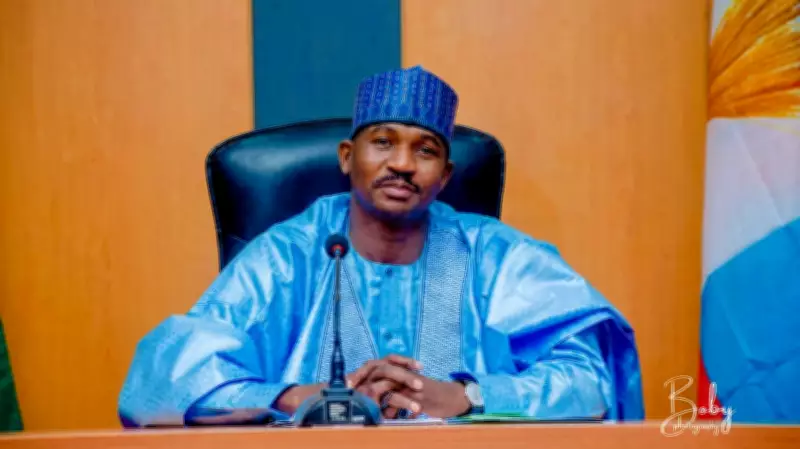
Sokoto State is making significant strides in addressing malnutrition and child healthcare challenges through strategic partnerships and investments under Governor Ahmed Aliyu. Before his administration, the state faced severe public health issues, including high child malnutrition and maternal mortality rates, exacerbated by neglect from the previous administration under Aminu Tambuwal. The lack of investment in critical sectors, coupled with insecurity, poverty, and weak healthcare infrastructure, left many rural communities without access to quality medical care.
Historical Challenges and Current Efforts
The Tambuwal administration focused more on presidential ambitions than on healthcare, leading to deteriorating conditions. However, Governor Ahmed Aliyu has prioritized healthcare, collaborating with organizations like UNICEF, UNFPA, and Nutrition International. The 2025 Nutrition SMART Survey by UNICEF revealed that 11% of children under five in Sokoto are wasted, with severe acute malnutrition affecting over 500,000 children across Sokoto, Kebbi, and Zamfara states. Stunting rates are also alarming, impacting children's physical and mental development.
Local Production of Therapeutic Food
The administration is localizing production of Ready-to-Use Therapeutic Food (RUTF) using groundnut paste to reduce import dependence, lower costs, and improve availability. This initiative supports local agriculture and creates employment.
Healthcare Infrastructure Investments
Governor Aliyu has rehabilitated and equipped about 160 primary healthcare centers out of 244, with work ongoing on others. Three new general hospitals are under construction, and existing facilities like the state specialist hospital are being upgraded. The government has recruited approximately 2,000 nurses and midwives to address manpower shortages, particularly in rural areas where skilled birth attendants were lacking.
Budget Allocation and Emergency Services
The 2026 budget allocates N122.73 billion to healthcare, exceeding the Abuja Declaration benchmark. This funding supports upgrades of primary healthcare centers, maternity services, and general hospitals, including the Sokoto State University Teaching Hospital. Twenty-one ambulances have been procured to strengthen emergency response, crucial for reducing maternal and infant mortality.
Community Engagement and Behavioral Change
Dr. Fatima Ahmed Aliyu, the governor's wife, encourages husbands to allow wives to attend antenatal clinics, addressing cultural barriers. Religious leaders, traditional rulers, and local health workers promote maternal healthcare, immunization, and nutrition practices.
Partnerships and Multi-Sectoral Approach
Collaboration with UNICEF, UNFPA, and European Union agencies integrates health, nutrition, education, and social stability. Sokoto convened its Eighth State Council on Health Meeting with UNFPA, becoming the first state to do so in the current cycle, demonstrating commitment to Universal Health Coverage.
Long-Term Vision and Challenges
While insecurity and poverty persist, sustained reforms and monitoring aim to build a responsive healthcare system. Success will be measured by reduced malnutrition, lower maternal mortality, and improved access to primary healthcare for all Sokoto residents.




