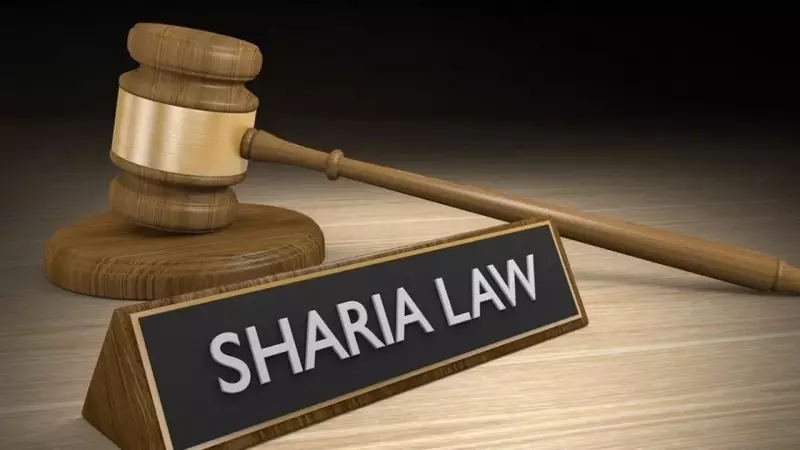
A major coalition of civil society organizations has strongly condemned the recent push to expand Sharia law implementation in Northern Nigeria, labeling the movement as fundamentally unconstitutional and a threat to national unity.
The coalition, comprising various human rights and pro-democracy groups, has raised serious concerns about the growing campaign to establish Sharia law as the primary legal system in several northern states. According to the group, this movement directly violates Nigeria's constitutional framework and could potentially destabilize the country's delicate religious balance.
Constitutional Violations Alleged
Legal experts within the coalition argue that Nigeria's 1999 Constitution clearly establishes the supremacy of secular law across all states. "Any attempt to implement religious law as the primary legal system contradicts the fundamental principles of our constitution," stated a coalition representative during a press briefing in Abuja.
The group emphasized that while the constitution allows for customary and religious laws in personal matters, it strictly prohibits any religious legal system from superseding the national legal framework. This distinction, they argue, is being deliberately blurred by proponents of expanded Sharia implementation.
National Unity at Stake
Beyond legal arguments, the coalition warns that the push for expanded Sharia law could have severe consequences for national cohesion. "Nigeria is a multi-religious nation where all citizens must enjoy equal protection under the law," the coalition stated. "Creating parallel legal systems based on religion threatens the very fabric of our unity."
The group expressed particular concern about the potential impact on religious minorities living in northern states, noting that such moves could marginalize non-Muslim communities and create second-class citizens.
Growing Opposition Movement
The coalition's strong stance represents a significant escalation in the ongoing debate about religious law in Nigeria. What began as isolated concerns has now evolved into a coordinated opposition movement involving multiple organizations across different regions.
Several prominent legal organizations, human rights advocates, and interfaith groups have joined the coalition, indicating broad-based concern about the constitutional implications of expanding religious-based legal systems.
Call for Government Intervention
The coalition has called on the federal government and the National Assembly to take immediate action to reaffirm the supremacy of the Nigerian constitution. They've demanded clear statements from both executive and legislative branches confirming that no religious law can override national legislation.
Additionally, the group has urged state governments in the north to respect constitutional boundaries and focus on implementing development programs that benefit all citizens regardless of religious affiliation.
As the debate intensifies, the coalition promises to continue its advocacy through legal channels, public awareness campaigns, and engagement with international human rights bodies if necessary. The situation remains developing, with potential implications for Nigeria's legal system and inter-religious relations.