Court Issues Fresh Restraining Order Against Planned Labour Protest in Abuja
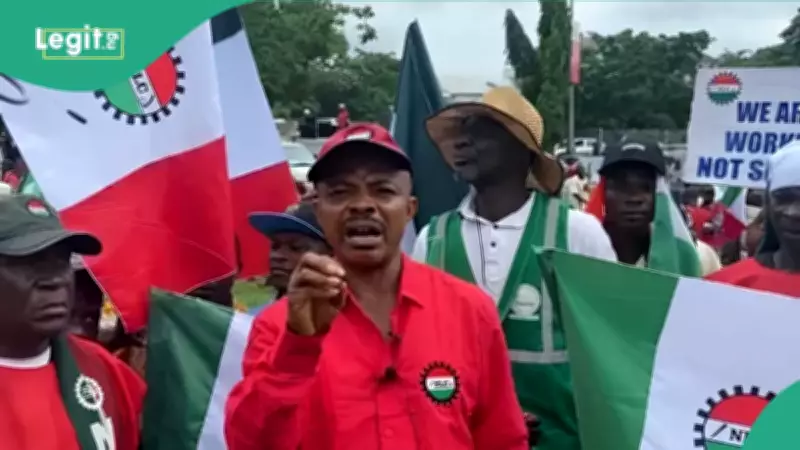
In a significant legal development, the National Industrial Court sitting in Abuja has issued a fresh interim order restraining the Nigeria Labour Congress (NLC), the Trade Union Congress (TUC), and three other respondents from embarking on any form of industrial action or protest within the Federal Capital Territory.
Judicial Intervention in Planned Labour Action
Justice Emmanuel Subilim delivered the ruling on Monday, February 2, 2026, following an ex parte application filed by the FCT Minister, Nyesom Wike, and the FCT Administration. The court order specifically bars the labour unions and their representatives from organizing or participating in any strike or protest activities pending the hearing and determination of the motion on notice.
The restrained parties include:
- Nigeria Labour Congress (NLC)
- Trade Union Congress (TUC)
- NLC spokesperson Benson Upah
- TUC General Secretary Nuhu Toro
- FCT NLC Chairman Stephen Knabayi
Security Agencies Directed to Maintain Order
In addition to restraining the labour organizations, Justice Subilim issued directives to security agencies operating within the Federal Capital Territory. The court specifically instructed the 5th to 9th defendants, representing various security agencies, to ensure there is no breakdown of law and order in the nation's capital.
This judicial intervention comes amid heightened tensions between organized labour and government authorities over various socio-economic issues affecting Nigerian workers and citizens.
Legal Basis and Implications
The interim order represents a preventive legal measure aimed at maintaining public order while allowing for proper judicial consideration of the substantive issues. By granting the ex parte application, the court has effectively placed a temporary hold on any planned industrial action that could potentially disrupt normal activities in Abuja.
Legal experts note that such orders are typically issued when there is an immediate need to prevent actions that could cause irreparable harm or disrupt public peace before a full hearing can take place. The court's decision underscores the delicate balance between workers' rights to protest and the government's responsibility to maintain public order and security.
This development marks another chapter in the ongoing dialogue and occasional confrontation between organized labour and government authorities in Nigeria, particularly concerning workers' welfare, economic policies, and governance issues affecting the Federal Capital Territory and the nation at large.