Federal High Court Strikes Out Nnamdi Kanu's Transfer Application
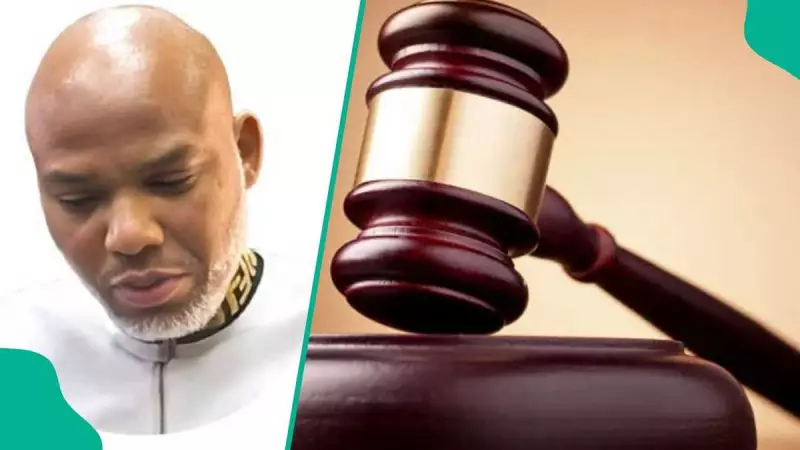
The Federal High Court sitting in Abuja has delivered a significant ruling concerning the detained leader of the Indigenous People of Biafra (IPOB), Nnamdi Kanu. Justice James Omotosho, presiding over the case, struck out an application filed by Kanu seeking his transfer from the Sokoto Correctional Centre to a facility closer to Abuja. The court deemed the motion incompetent and unsustainable, marking another legal setback for the convicted activist.
Background of Kanu's Conviction and Legal Challenges
Nnamdi Kanu was sentenced to life imprisonment on November 20, 2025, after being found guilty on a seven-count terrorism charge brought by the Federal Government. Following his conviction, Kanu has been held at the Sokoto Correctional Centre, located more than 700 kilometers from Abuja. This distance has become a central issue in his ongoing legal battles, particularly concerning his right to appeal.
Kanu's Arguments for Transfer to Abuja
In the application personally signed by Kanu, he argued that his detention in Sokoto severely hampers his ability to effectively pursue an appeal against his conviction. Kanu emphasized that he is currently unrepresented by counsel and intends to personally exercise his constitutional right of appeal. He stated that preparing the notice of appeal and the record of appeal requires his personal interface with the registry of the Federal High Court and the Court of Appeal in Abuja.
Furthermore, Kanu contended that his relatives, associates, and legal consultants are all based in Abuja, making his continued detention in Sokoto impracticable. He asserted that this situation violates his right to fair hearing under Section 36 of the 1999 Constitution (as amended). Kanu urged the court to compel the Federal Government and the Nigerian Correctional Service to transfer him to a custodial facility within the court's jurisdiction, such as Suleja or Keffi Correctional Centres, to facilitate his appeal process.
Withdrawal of Legal Aid Lawyer and Court Proceedings
The case faced significant procedural hurdles even before Tuesday's ruling. On December 4, 2025, the court declined to hear the motion when Kanu's younger brother, Prince Emmanuel, attempted to move it despite not being a legal practitioner. When proceedings resumed on December 8, 2025, a lawyer from the Legal Aid Council of Nigeria (LACoN), Mr. Demdoo Asan, appeared for Kanu, prompting the court to order service of processes on the Federal Government and prison authorities.
However, at the hearing on January 27, 2026, Asan informed the court that he was withdrawing from the case due to irreconcilable differences with the applicant. Asan explained that despite numerous phone conversations with Kanu's relatives since December 8, none had shown up at his office to depose to the affidavit. He also accused Kanu of attempting to dictate how the case should be conducted, describing this as incompatible with his duties as an officer of the court.
Court's Final Ruling and Implications
Justice Omotosho granted Asan's request to withdraw and subsequently struck out the application. The judge noted that when the matter was initially brought, it was an incompetent suit. However, in the interest of justice, he had ordered that parties be served, but this had not been done. With this ruling, Kanu remains at the Sokoto Correctional Centre, and legal uncertainty continues to surround his efforts to challenge his conviction.
This development highlights the ongoing complexities in Kanu's legal journey, including issues of access to justice, legal representation, and the practical challenges of detention far from judicial centers. The case underscores the broader tensions between security concerns and constitutional rights in Nigeria's legal landscape.