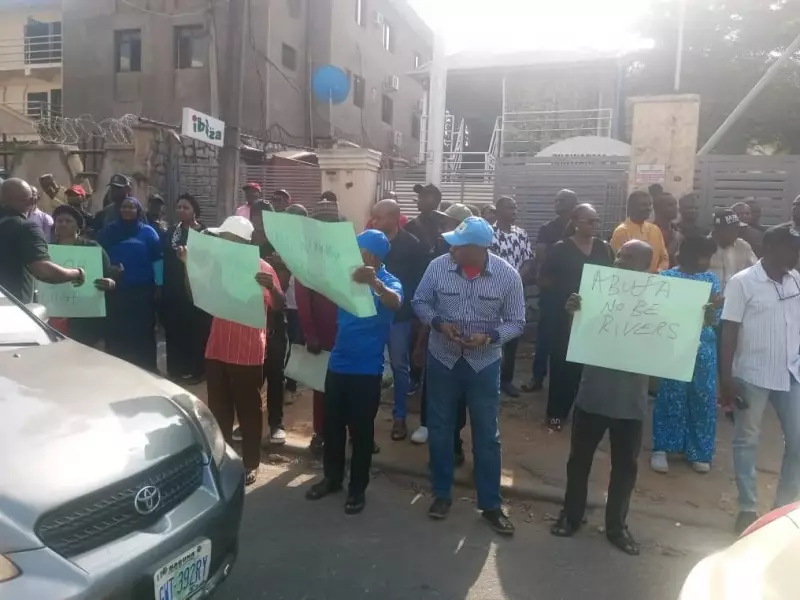
Court Mandates Immediate End to FCT Workers' Industrial Action
The National Industrial Court, sitting in Abuja, has issued a decisive ruling ordering workers under the Federal Capital Territory Administration to immediately call off their ongoing strike and resume their official duties. This judicial intervention comes as a response to the industrial action that has disrupted operations within the capital's administrative framework.
Legal Grounds for the Ruling
Justice Emmanuel Subilim delivered the ruling, emphasizing that allowing the workers to continue their strike while the underlying issues are already before the court constitutes an act of self-help. He clarified that although workers in the FCT possess a constitutional right to embark on industrial action, this right is not absolute and must be exercised within legal boundaries.
Justice Subilim specifically referenced Section 18(1)(b) of the Trade Dispute Act, which stipulates that workers cannot lawfully initiate a strike over matters that have already been referred to the National Industrial Court for adjudication. The court held that where a strike has commenced on issues currently under judicial review, such action must cease immediately to uphold the integrity of the legal process.
Background of the Case
The ruling followed a lawsuit filed by the Minister of the Federal Capital Territory, Nyesom Wike, alongside the Federal Capital Territory Administration. The case, marked as NICN/ABJ/17/2026, listed the President and Secretary of the Joint Union Action Congress, Rifkatu Iortyer and Abdullahi Saleh, as defendants.
The workers had embarked on the strike due to alleged unresolved welfare issues, including:
- Five months of unpaid salaries
- Outstanding promotion arrears
- Poor working conditions within the FCT
These grievances prompted the industrial action, which the court has now ordered to be suspended pending legal resolution.
Implications and Next Steps
Consequently, the court has mandated the protesting workers to immediately halt the strike and return to their respective posts. This ruling underscores the judiciary's role in mediating labor disputes and ensuring that industrial actions do not undermine ongoing legal proceedings. It also highlights the balance between workers' rights and legal obligations in Nigeria's labor landscape.