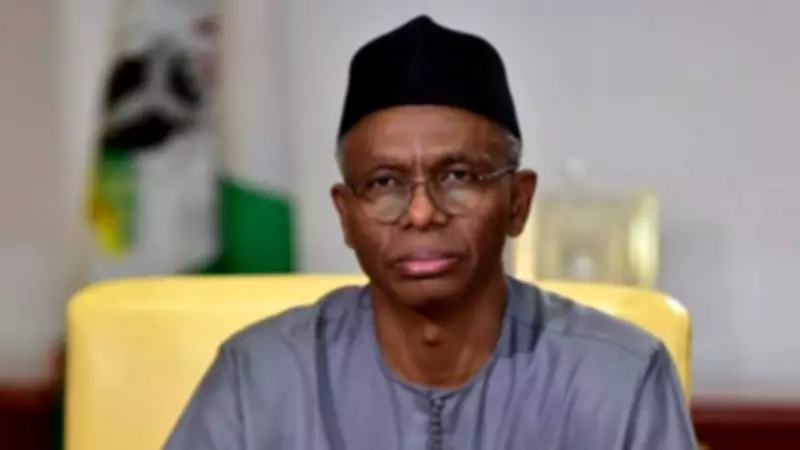
El-Rufai Released from ICPC Custody to Attend Mother's Funeral Rites
Former Governor of Kaduna State, Nasir El-Rufai, has been granted temporary bail from the custody of the Independent Corrupt Practices and Other Related Offences Commission (ICPC). This significant development allows him to participate in the funeral ceremonies for his mother, Hajiya Umma El-Rufai, who passed away in Cairo, Egypt, on Friday, March 27.
Family Confirmation and Emotional Statement
His son, Bashir El-Rufai, publicly announced the release through a post on the social media platform X. In an emotional and strongly worded message, Bashir wrote: "My beloved great legend of a father (@elrufai) is being released from his unlawful and illegal detention at the hands of one of the most corrupt agencies in the Federal Republic of Nigeria, that is a lame excuse of a pathetic institution. Thank you all for all the support. Our family shall never forget these times. We have overcome, as the El-Rufais."
Background of the ICPC Detention and Legal Proceedings
Nasir El-Rufai has been held in ICPC custody since February 18, facing serious allegations related to financial misconduct and other associated matters. He spent more than a month with the commission before his formal arraignment earlier this week at the Kaduna division of the Federal High Court.
The former governor was arraigned alongside another individual, Joel Adoga, on charges that include:
- Alleged conversion and possession of public property
- Money laundering activities
During the court proceedings, El-Rufai entered a plea of not guilty to the single-count charge specifically linked to deposits into domiciliary accounts and the handling of earnings. The court has scheduled a ruling on his bail application for March 31, 2026, and until that decision, he remains officially in custody, though temporarily released for the funeral.
Legal and Personal Implications
This temporary bail represents a notable moment in the ongoing legal battle, highlighting the intersection of judicial processes and personal family obligations. The ICPC's decision to grant bail under these compassionate circumstances underscores the procedural flexibility within Nigeria's anti-corruption framework, even as the serious charges against the former governor proceed through the judicial system.
The case continues to draw significant public and media attention, reflecting broader national concerns about governance, accountability, and the enforcement of anti-corruption laws in Nigeria.