Muslim Organizations Firmly Reject DSS Account in Walida Abdulhadi Case
A coalition of prominent Muslim organizations in Nigeria has categorically rejected the official explanation provided by the Department of State Services (DSS) regarding the case of Walida Abdulhadi Ibrahim. The groups insist that the young woman was abducted, subjected to abuse, and forced to change her religion during her time in custody, calling for an immediate independent investigation into the matter.
Conflicting Narratives and Family Distress
The case centers on Walida Abdulhadi Ibrahim from Hadejia, Jigawa State, who went missing in 2023 when she was reportedly 16 years old. Her father reported her disappearance and conducted an extensive search before she was eventually located in Abuja, allegedly in the custody of a DSS officer. According to the Muslim Rights Concern (MURIC), the Federation of Muslim Women's Associations in Nigeria (FOMWAN), the Muslim Students' Organisation of Nigeria (MSO), and Women in Da'awa, the DSS version of events does not reflect the actual facts of the situation.
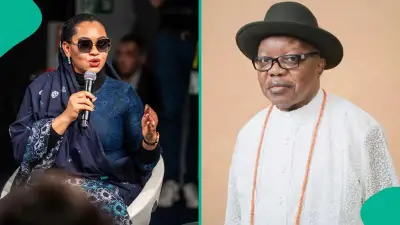
Ustaz Yunus Salahudeen, speaking on behalf of the coalition, emphasized that this case transcends religious considerations. "This is not a matter of religious rivalry. It is fundamentally about child protection, parental rights, institutional accountability, and respect for judicial authority," he stated during a press briefing in Abuja. He revealed that Walida's family endured what he described as "unimaginable distress" for over two years, with her father even performing funeral rites under the assumption that she had died.
Demands for Investigation and Institutional Accountability
The Muslim organizations have specifically called for the investigation of DSS officer Ifeanyi Onyewuenyi, whose actions they characterize as constituting abduction that requires independent verification. Madina Azaku, another representative from the coalition, urged the DSS to comply with existing court orders and release Walida to a neutral party while a proper investigation is conducted. "If we do not achieve this outcome, we will pursue all lawful means to ensure justice prevails. This situation concerns child protection, which represents a fundamental responsibility expected of every individual and institution," Azaku declared.
She further asserted that Walida had been "transformed beyond recognition" during her time away from her family, suggesting significant changes in her appearance and behavior that raise serious concerns about her treatment. The National Human Rights Commission (NHRC) has weighed in on the matter, recommending that the case be handled with extreme care and that a formal petition be filed to guarantee a fair and impartial investigation process.
DSS Response and Protective Custody Claims
In contrast to the allegations made by Muslim organizations, the DSS maintains that Walida Abdulhadi Ibrahim is currently in protective custody because she "expressed fears that she would be harmed if forced to go with her family." The security agency has stated that officer Ifeanyi Onyewuenyi will face appropriate disciplinary measures as prescribed by law if found guilty of any wrongdoing, with the outcome to be communicated to all concerned parties and the general public.
Adding complexity to the situation, Walida herself has disputed several key aspects of the narrative presented by her family and the Muslim organizations. She has asserted that she was not a minor at the time of her departure from home and is currently 22 years old. Furthermore, she has denied being abducted or forced to change her religion, creating conflicting accounts that underscore the need for thorough investigation.
Broader Implications for Child Protection and Institutional Oversight
This case has sparked significant national debate about child protection mechanisms, parental rights, and institutional accountability within Nigeria. Coalition representatives have highlighted concerns about how young people can be influenced by social networks and external relationships, emphasizing the need for robust safeguards. The organizations have vowed to continue their advocacy until what they describe as justice is achieved, positioning the Walida Abdulhadi case as a critical test of Nigeria's commitment to protecting vulnerable individuals and ensuring transparency within security institutions.
As the controversy continues to unfold, the conflicting narratives between family representatives, Muslim organizations, security agencies, and Walida herself highlight the complex interplay of personal agency, family dynamics, and institutional responsibility in cases involving young adults and allegations of coercion or mistreatment.