In a significant move to shape Nigeria's judiciary, the National Judicial Council (NJC) has put forward key recommendations for judicial appointments and resolved several disciplinary matters. The decisions emerged from the council's 110th meeting, which was held on Tuesday and chaired by the Chief Justice of Nigeria, Honourable Justice Kudirat Kekere-Ekun.
Major Appointments to Strengthen the Bench
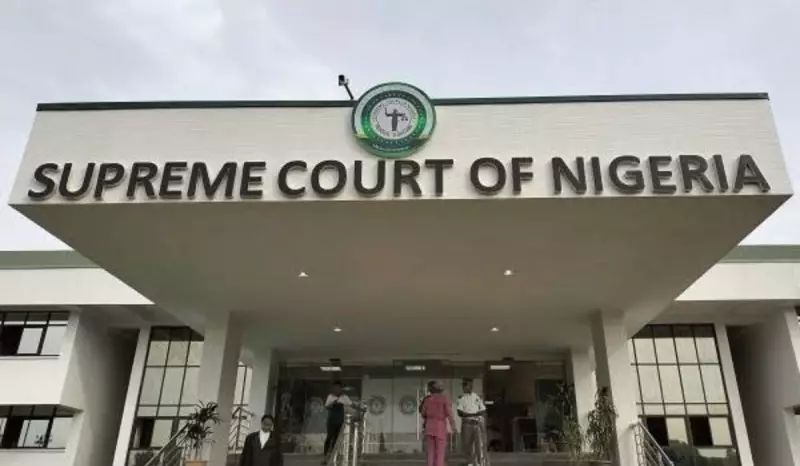
The council's headline recommendation is the proposed elevation of Honourable Justice Joseph Oyewole to the Supreme Court of Nigeria. Justice Oyewole, who currently serves as the Presiding Justice of the Court of Appeal, Enugu Division, was the sole nominee put forward for a seat on the nation's apex court.
Beyond the Supreme Court, the NJC approved a wave of appointments to fill vacancies across the country. A total of 27 new judges were recommended for state high courts in Borno, Niger, Benue, Taraba, Plateau, Delta, and Ekiti states. This mass appointment is part of a concerted effort to boost judicial capacity and ensure citizens have better access to justice.
The council also filled positions in other judicial arms, recommending six new Khadis for the Sharia Courts of Appeal in Niger, Taraba, and Katsina states. Furthermore, two judges were nominated for the Customary Court of Appeal in Delta State. All these recommendations followed what the NJC described as a rigorous screening process conducted under its 2023 Revised Guidelines.
Disciplinary Reviews and Key Decisions
The meeting was not solely about appointments. The NJC also addressed several petitions and administrative issues affecting the judiciary. In a notable vindication, the council cleared the Chief Judge of Osun State, Justice Oyebola Ojo, of all allegations of misconduct. An investigative committee found no evidence to support claims of financial recklessness, fund diversion, or breach of the Code of Conduct, leading to the dismissal of all petitions against him.
In another positive outcome, the council set aside the one-year suspension without pay earlier imposed on Justice Jane Inyang of the Court of Appeal, Uyo Division. The NJC ruled that the petition against her was filed outside the allowed six-month period and concerned a matter that was already under appeal.
Overall, the NJC reviewed 39 petitions against judicial officers. It dismissed 26 for lacking merit, ordered further investigation into seven, and issued letters of caution to two judges.
Administrative Updates and Warnings
On administrative matters, the NJC extended the tenure of the Acting Chief Judge of Imo State, Honourable Justice Ijeoma Agugua, by an additional three months. The council used the opportunity to urge Imo State Governor Hope Uzodimma to urgently constitute the State Judicial Service Commission. The NJC warned that a prolonged delay in appointing a substantive Chief Judge could undermine judicial stability and independence in the state.
The council also approved the voluntary retirement of two senior judicial officers, including Justice Obientobara Daniel-Kalio, the Presiding Justice of the Court of Appeal, Asaba Division. Sadly, it announced the death of two judicial officers between November and December 2025, extending condolences to their families and the wider legal community.
These comprehensive decisions from the NJC's latest meeting highlight the ongoing efforts to maintain a robust, independent, and properly staffed judiciary across Nigeria.