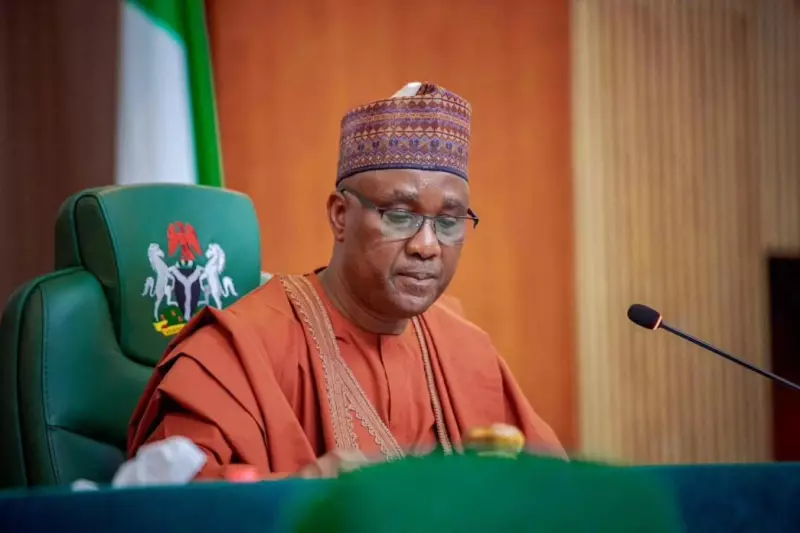
The House of Representatives has been plunged into confusion and uncertainty regarding the procedure and timing for a crucial vote on amendments to Nigeria's 1999 Constitution. Lawmakers are grappling with conflicting signals from their leadership about the readiness to use the chamber's electronic voting system, throwing the long-delayed process into further disarray.
Leadership at Odds Over Voting Readiness
During Wednesday's plenary session, Speaker Rt. Hon. Tajudeen Abbas announced that voting on the proposed constitutional changes would proceed on Thursday. He directed that the electronic voting system be used and immediately instructed the Chairman of House Services to conduct a tutorial for members on how to operate the technology.
However, this plan quickly unraveled. It became apparent that the electronic system was not fully functional, with many legislators struggling to understand its operation. The situation grew more confusing when Deputy Speaker Benjamin Kalu, who was presiding over a committee session, signaled a potential postponement.
Kalu contradicted the Speaker's timeline, stating, "We can't use one day to learn this; maybe we need to dedicate one day for it. We may not be voting tomorrow; the leadership has not decided." This public divergence in statements from the top two presiding officers highlights the deep uncertainty plaguing the process.
A History of Repeated Delays
This latest confusion is set against a backdrop of multiple postponements that have dogged the constitution review exercise from the start. The debate was initially scheduled for December 3, then rescheduled to December 10, and later shifted again to December 11.
Last week, the House failed to commence the debate for the third consecutive time, despite assurances from the Constitution Review Committee, chaired by Deputy Speaker Kalu, that its report was ready for consideration. The repeated delays have been attributed to competing demands from lawmakers themselves.
Some members have insisted on more time to consult with their constituents and thoroughly study the voluminous proposals, while others have urged for the debate to begin immediately without further foot-dragging.
Key Issues Hang in the Balance
The constitutional amendments at stake touch on some of the most critical and contentious issues in Nigerian governance. The proposals slated for discussion include:
- State creation and restructuring
- Local government autonomy
- Comprehensive electoral reforms
- The establishment of state police
- Devolution of powers from the federal center
- Fiscal restructuring and resource control
- Human rights provisions
- The role of traditional institutions
With the voting process now in limbo, it remains unclear whether the Green Chamber will proceed to vote on these landmark bills without first holding a proper debate. The failure to resolve the internal procedural confusion risks further eroding public confidence in the legislature's ability to deliver on a promised review that many Nigerians see as vital to the nation's future stability and development.