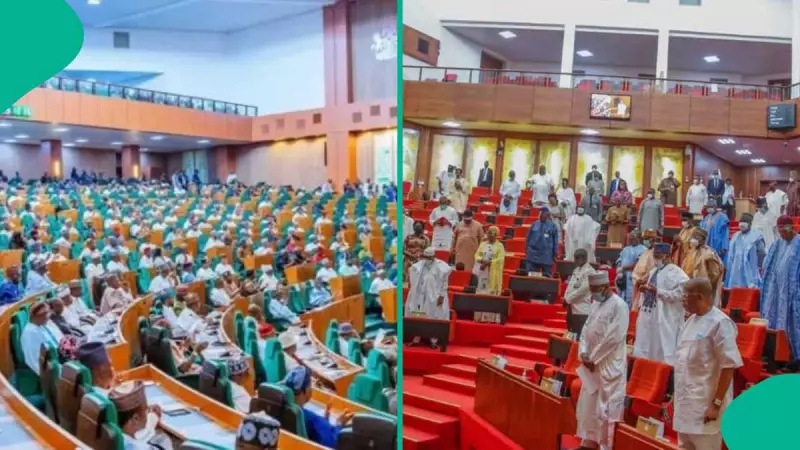
In a decisive move to combat the nation's escalating security crisis, Nigeria's National Assembly has called for the public identification and prosecution of individuals funding terrorism. Both legislative chambers made this demand during plenary sessions on Wednesday, December 4, 2025, framing it as a critical step towards dismantling the networks fueling violence.
Senate Pushes for Death Penalty, Classifies Kidnapping as Terrorism
The Senate took a particularly hardline stance, advocating for capital punishment for kidnappers and their accomplices. Lawmakers debated amendments to the Terrorism (Prevention and Prohibition) Act of 2022, with a bill sponsored by Senate Leader Opeyemi Bamidele seeking to reclassify kidnapping and hostage-taking as acts of terrorism.
Leading the debate, Senator Bamidele argued that kidnapping has evolved into "coordinated, commercialised and militarised acts of violence" that instill widespread fear and cripple economic activities. He stated the proposed law would prescribe the death penalty for such offences without an option of fine or an alternative sentence.
The penalty would extend beyond the perpetrators to include their informants, logistics providers, harbourers, and anyone who knowingly supports kidnapping operations. The Senate unanimously approved the amendment for further work and referred it to relevant committees, expecting a report back within two weeks.
Lawmakers Unite in Support of Tough Measures
Senators across party lines voiced strong support for the stringent measures. Former governor Adams Oshiomhole criticized deradicalization programs for terror suspects, advocating instead for the death penalty for convicted terrorists. Orji Uzor Kalu emphasized that informants and sponsors must "face the consequence," highlighting the suffering of victims.
Senate Minority Leader Abba Moro described the bill as a unanimous decision, while Senator Victor Umeh condemned the killing of victims even after ransom payments and called for scrutiny of financial institutions involved.
The security debate was partly triggered by the recent attack on Christ Apostolic Church in Eruku, Kwara State, on November 18, 2025, where gunmen killed two worshippers and abducted 38 others. Although all victims were later rescued, lawmakers said the incident exposed the spread of insurgent cells.
House of Representatives Echoes Call, FG Plans to Expose Names
The House of Representatives joined the Senate's call, demanding the public naming and prosecution of terrorism financiers. This resolution followed a dedicated plenary session on Tuesday focused on the national insecurity crisis, presided over by Speaker Tajudeen Abbas and Deputy Speaker Benjamin Kalu.
This legislative pressure aligns with earlier signals from the executive branch. Daniel Bwala, Special Adviser on Policy Communication to President Bola Tinubu, had disclosed in a TVC interview on Sunday, December 30, 2025, that the federal government plans to publicly share the names of individuals, groups, and networks bankrolling terrorism.
The National Assembly's actions underscore a growing political consensus on the need for more aggressive legal and financial strategies to address the insecurity threatening communities, schools, and places of worship across Nigeria.