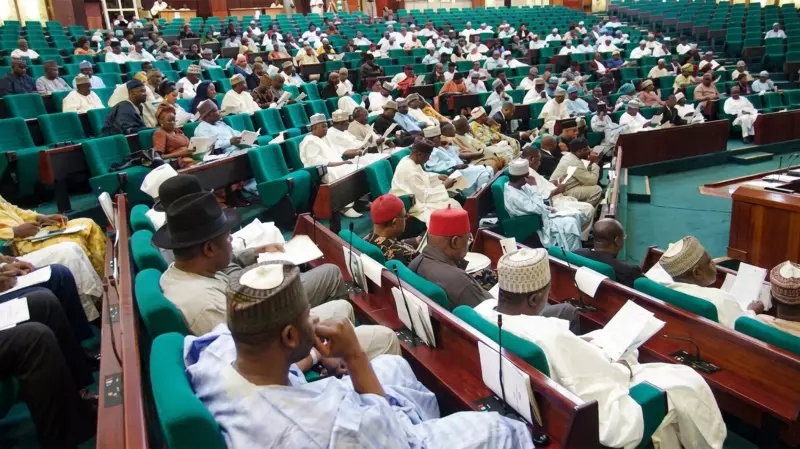
The House of Representatives has decided to delay a crucial debate on the ongoing review of the nation's constitution. The decision, announced on Wednesday, 5th December 2025, was taken to allow for more extensive consultations and to ensure proper alignment on sensitive proposed changes to the document.
Why the Debate Was Postponed
The debate, initially set for Wednesday, was deferred immediately after a report on security discussions was presented to the chamber. Lawmakers had expressed significant concerns a day earlier about several unresolved issues within the draft amendments. Key areas of contention include proposed security sector reforms, the long-debated autonomy for local government councils, and specific provisions that are expected to influence the conduct of the 2027 general elections.
Deputy Speaker Benjamin Kalu, who also serves as the Chairman of the House Committee on Constitutional Review, clarified the rationale behind the postponement. He emphasized that the step was essential to protect the integrity and technical quality of the entire exercise. "We cannot afford mistakes at this stage," Kalu stated. He further explained that some submissions gathered from public hearings and engagements with various caucuses were still being integrated into the final draft. "It is better to have a constitution review process that is credible, inclusive and technically sound," he affirmed.
Lawmakers Applaud the Decision for Diligence
The move to delay the debate received widespread support from leaders across the political spectrum within the House. The Minority Leader, Kingsley Chinda, welcomed the decision while cautioning that rushing the process could severely weaken legislative scrutiny and erode public trust in the outcome.
"This Constitution review is not something we can hurriedly debate for the sake of saying we have started," Chinda said. He stressed that members require sufficient time to thoroughly study the proposals, consult with their constituents back home, and fully grasp the implications of each amendment. "Anything short of that will compromise the integrity of the process," he warned.
Echoing this sentiment, the Chairman of the House Committee on Petroleum Resources (Upstream), Ado Doguwa, praised the postponement. He described the review exercise as one of the most significant tasks before the current 10th Assembly. "This is not a regular bill; it is the foundation of our democracy," Doguwa noted. "We need a document that reflects the will of all Nigerians, not one drafted under pressure. Taking more time is the responsible course of action."
The Majority Leader, Julius Ihonvbere, also backed the deferment. He underscored that the primary driver of the review must be the national interest, not the speed of political maneuvering.
Next Steps and the Path Forward
The House is now expected to reconvene for the Constitution review debate once the committee concludes its harmonization work and circulates a clean, updated draft to all members for consideration. If the House reconvenes on the expected date of December 10 for this purpose, the voting on amendments is likely to occur before the chamber proceeds on its end-of-year recess.
This ongoing review is regarded as the most comprehensive since the return to democratic rule in 1999, with over 50 amendment proposals submitted by citizens, civil society organisations, professional bodies, and state Houses of Assembly.
The process involves both chambers of the National Assembly. Following the House of Representatives' debate and vote, the Senate will also conduct its own deliberations and voting. The harmonized positions from both chambers will then be transmitted to the state Houses of Assembly for their concurrence, as mandated by the Constitution. For any amendment to be adopted, it must secure the approval of at least 24 state assemblies. Subsequently, the amendments will be returned to the National Assembly for final certification and onward transmission to the President for assent.