The Nigerian House of Representatives has ignited a major investigation into a legislative scandal, following explosive allegations that crucial tax laws were secretly altered after being passed by the National Assembly. In a dramatic move to protect the integrity of the lawmaking process, Speaker Abbas Tajudeen announced the formation of a special committee to get to the bottom of the claims.
Lawmaker Raises Alarm Over Gazetted Copies
The controversy erupted on the floor of the House when Honourable Abdulsammad Dasuki, a member representing Sokoto State under the Peoples Democratic Party (PDP), raised a point of privilege. Dasuki presented a shocking discovery: the official, gazetted versions of certain tax laws did not match the bills that were debated and approved by lawmakers.
The lawmaker stated he had personally compared the gazetted copies from the Ministry of Information with the official Votes and Proceedings of the House and the harmonised versions agreed upon by both legislative chambers. He found notable and concerning differences. "I was here, I gave my vote and it was counted, and I am seeing something completely different," Dasuki told his colleagues, framing the issue as a grave breach of constitutional and legislative procedure.
Seven-Member Committee Constituted for Investigation
Responding swiftly to the serious allegations, Speaker Abbas Tajudeen on Thursday, December 18, 2025, constituted a powerful seven-member ad hoc committee to conduct a full probe. The committee is tasked with uncovering the truth behind the alleged alterations and identifying where in the process the discrepancies occurred.
The investigative panel is chaired by Honourable Muktar Aliyu Betara. It includes other heavyweight lawmakers such as former Deputy Speaker Ahmed Idris Wase, Sada Soli, James Abiodun Faleke, Fred Agbedi, Babajimi Benson, and Iduma Igariwey. This composition signals the seriousness with which the House is treating the potential sabotage of its legislative authority.
Dasuki had urged that all relevant documents—the harmonised bills, the Votes and Proceedings, and the disputed gazetted laws—be brought before the entire House for scrutiny. He warned that allowing such a breach to stand would undermine the very foundation of the nation's laws and constitution.
Background and Implications for Tax Reforms
This probe throws a new spotlight on Nigeria's ongoing tax reform efforts. The House of Representatives had previously passed four key tax reform bills sent by President Bola Tinubu in October 2024. While defended as necessary for economic growth, these reforms have faced criticism from various quarters, including Northern leaders and business groups, over fears of increased economic burdens.
The investigation now casts doubt on the authenticity of the legislative process surrounding these critical economic laws. It raises questions about whether the versions intended by lawmakers are the same as those that may eventually be implemented, potentially affecting millions of Nigerians and businesses.
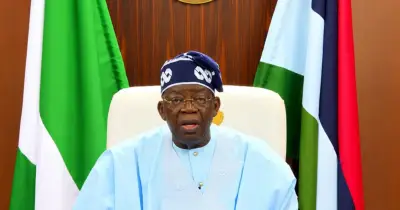
Recall that President Tinubu had earlier signed tax reform bills into law on June 26, 2025, in a ceremony attended by Senate President Godswill Akpabio and Speaker Abbas Tajudeen. The current scandal suggests that ensuring the fidelity of legislation from passage to gazette is a paramount concern for the integrity of governance.
As the seven-member committee begins its work, the nation watches closely. The outcome will not only determine the specific fate of the tax laws in question but will also serve as a critical test for the transparency and robustness of Nigeria's legislative system.