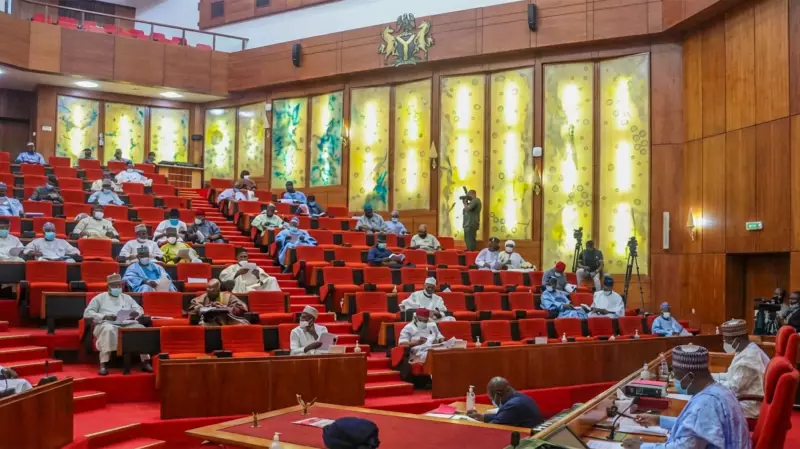
The Nigerian Senate has taken a decisive step towards reforming the nation's public finance and professional economic practice. On Wednesday, 17 December 2025, the upper legislative chamber concluded its consideration and approved two significant pieces of legislation.
Replacing a Colonial-Era Audit Law
The first is the Federal Audit Service Bill, 2025, which originated from the House of Representatives. This landmark legislation seeks to formally repeal the Audit Ordinance of 1956, a law enacted during British colonial rule. Presenting the bill at plenary, the Leader of the Senate, Senator Opeyemi Bamidele, underscored the urgent need for an update.
He argued that the 1956 ordinance was designed for a colonial administrative structure and is now "grossly inadequate" for Nigeria's modern constitutional democracy, complex public finance systems, and contemporary accountability standards. The new bill aims to establish a Federal Audit Service and a Federal Audit Board, while significantly enhancing the powers, independence, and functions of the Auditor-General for the Federation.
"This bill seeks to replace that outdated framework with a modern, robust, and fit-for-purpose legal regime that aligns Nigeria’s public audit system with international best practices," Bamidele stated. He emphasized that the legislation would promote transparency, strengthen legislative oversight, bolster anti-corruption measures, and ultimately improve public trust in how government funds are managed.
Establishing a Professional Body for Economists
In the same session, the Senate also concluded work on the Institute of Economists of Nigeria (Establishment) Bill, 2025. According to Senator Bamidele, this bill is designed to formally regulate the practice of economics in the country. Its core objectives include:
- Maintaining professional standards for practising economists.
- Promoting ethical conduct and capacity development within the field.
- Aligning the profession with global best practices.
The establishment of this institute is seen as a critical move to professionalize economic practice and ensure experts contributing to national policy adhere to a strict code of ethics and competence.
Pathway to Implementation and Broader Impact
Senator Bamidele described both bills as straightforward, having undergone the necessary legislative scrutiny in the House of Representatives. He highlighted their shared purpose: strengthening public financial accountability and professional regulation, which he identified as pillars of sound governance and sustainable economic development.
With the Senate's approval secured, the two bills now await the final step: presidential assent. Once signed into law by the President, they will come into full effect, marking a potential new chapter in Nigeria's public financial management and economic professionalism.