The Nigerian Senate on Tuesday, December 16, 2025, gave its formal approval to the 2026-2028 Medium-Term Expenditure Framework (MTEF) and the Fiscal Strategy Paper (FSP), setting the stage for the federal government's fiscal plans for the coming years. The approval came after a detailed interactive session that saw lawmakers scrutinise the proposals presented by the Minister of Finance and Coordinating Minister for the Economy, Wale Edun.
Senator Natasha Challenges Vague Private Sector Funding Plan
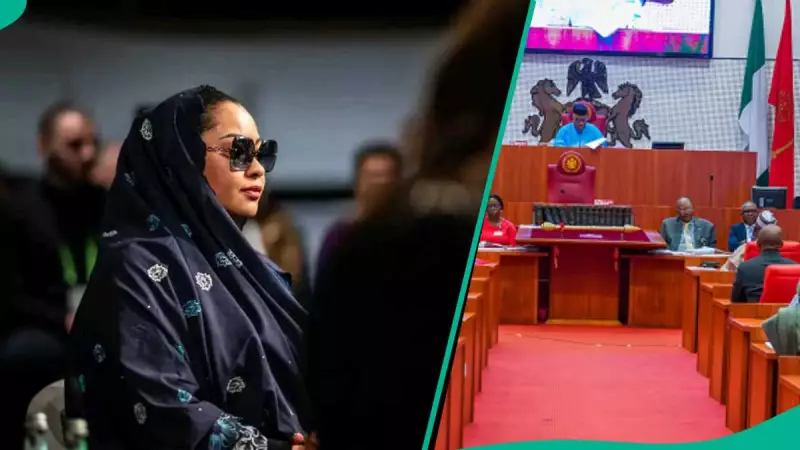
During the session, Senator Natasha Akpoti-Uduaghan, representing Kogi Central, raised significant concerns over a specific aspect of the government's fiscal strategy. She directly questioned Minister Edun on the administration's proposed plan to 'mop up' funds to support the private sector, a point mentioned in his presentation.
Akpoti-Uduaghan described the explanation as 'generic and bland' and demanded greater clarity. She pressed the minister on the critical details that would affect public trust, asking: 'Kindly explain where these monies will be mopped from to support the private sector; is it from taxes, duties, levies, dormant accounts?' Her inquiry highlighted widespread public anxiety over increasing taxation.
The senator further sought specifics on the mechanism for disbursement, asking whether the funds would be accessible through banks with high-interest rates or as grants. She also questioned the selection criteria, terms, and conditions for private sector beneficiaries, emphasising the need for transparency in the process.
Minister Edun's Response and the Approved Fiscal Framework
In his response, Minister Wale Edun acknowledged the senator's pointed questions. He offered a broad explanation, drawing on international development models from countries like South Korea, Singapore, and China. Edun stated that these nations achieved growth by mobilising domestic savings, reinvesting a portion of production back into the economy as productive capital.
He revealed that discussions are ongoing within the government to establish a voluntary national savings scheme. This initiative would involve collaboration between the government, the private sector, and financial elites to pool resources for development financing.
Concurrently, the Senate proceeded to pass the 2026-2028 MTEF and FSP. The approved framework outlines the following key projections for the 2026 fiscal year:
- Aggregate Expenditure: N54.46 trillion
- Projected Revenue: N34.33 trillion
- Fiscal Deficit: N20.13 trillion
- New Borrowing Plan: N17.88 trillion (comprising domestic and foreign loans)
- Debt Service: N15.52 trillion
- Oil Price Benchmark: $64.85 per barrel
- Pensions and Retirees' Benefits: N1.376 trillion
The report that led to the approval was presented by Senator Mohammed Sani Musa, the Chairman of the Senate Committee on Finance, during plenary.
Implications for Governance and Public Trust
The passage of the MTEF is a critical statutory step in Nigeria's budget preparation cycle, providing the baseline assumptions for the annual appropriation bill. However, the exchange between Senator Akpoti-Uduaghan and Minister Edun underscores a persistent tension in Nigeria's fiscal governance.
Senator Akpoti-Uduaghan stressed that public trust hinges on how government funds are appropriated and managed. Her interrogation reflects a demand for greater accountability and specificity in how the government intends to generate and allocate resources, particularly when it involves supporting the private sector. The approved borrowing plan of nearly N18 trillion further amplifies the importance of ensuring that all expenditures are transparent, efficient, and directed towards impactful projects that benefit the Nigerian people.
The session, held at the National Assembly Complex in Abuja, demonstrates the Senate's constitutional role in scrutinising executive proposals, even as it ultimately approves the broad fiscal direction set by the government for the 2026-2028 period.