A heated debate disrupted proceedings in the Nigerian Senate on Wednesday, December 3, as legislators sharply disagreed over a proposal to allow a ministerial nominee to bypass the standard confirmation screening.
Motion Sparks Immediate Controversy
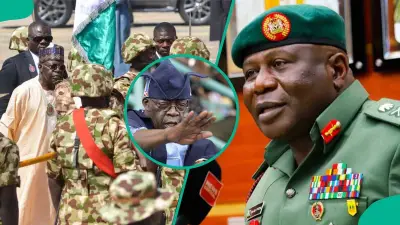
The drama unfolded shortly after Senator Sani Musa, representing Niger East, stood to address the chamber. He moved a formal motion requesting that the nominee for Minister of Defence, General Christopher Musa (rtd), be excused from the usual questioning. The senator argued that the retired General's distinguished service as the immediate past Chief of Defence Staff (CDS) merited the special parliamentary courtesy known as 'take a bow and go'.
This tradition is typically reserved for former federal lawmakers and a select few others, sparing them from legislative scrutiny as a precondition for confirmation. Senator Musa's proposal, however, did not receive a warm welcome from all his colleagues.
Lawmakers Insist on Proper Screening
The suggestion was met with loud and immediate objections from several senators. They insisted that the former military chief must undergo a proper screening process in line with standard legislative practice, regardless of his previous position.
The Senate chamber descended into a rowdy scene as voices were raised and senators stood up, shouting over one another in disagreement. The commotion grew so intense that the Senate President, Godswill Akpabio, was forced to repeatedly call for order to restore calm to the proceedings.
Background of the Nomination
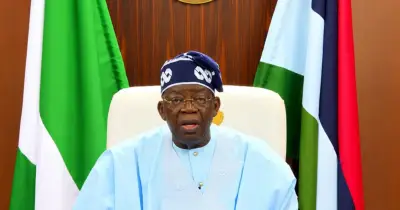
General Christopher Musa served as Nigeria's Chief of Defence Staff until his retirement in October 2025. He was nominated for the crucial cabinet position by President Bola Tinubu following the resignation of the former Defence Minister, Badaru Abubakar. The nomination placed the retired General before the Senate for confirmation, a constitutional requirement for all ministerial appointees.
The rejection of the 'bow and go' motion signifies a firm stance by a section of the Senate on upholding the integrity of the confirmation process. It underscores a growing insistence that all nominees, irrespective of their background, should face legislative scrutiny to assess their suitability for high public office.
This event highlights the ongoing tension between parliamentary tradition and the demand for accountability within Nigeria's legislative framework.