Rivers Crisis: Lawmakers Cannot Dictate State's Future, Says Ann Kio Briggs
The protracted political crisis in Rivers State continues to escalate, with no immediate resolution in sight following the indefinite adjournment of impeachment proceedings against Governor Siminalayi Fubara and his deputy, Professor Ngozi Odu. Despite public backing from the Presidency, which insists Governor Fubara must be allowed to perform his constitutional duties without interference, the standoff between the executive and the State House of Assembly deepens daily.
Activist's Stern Warning to Lawmakers
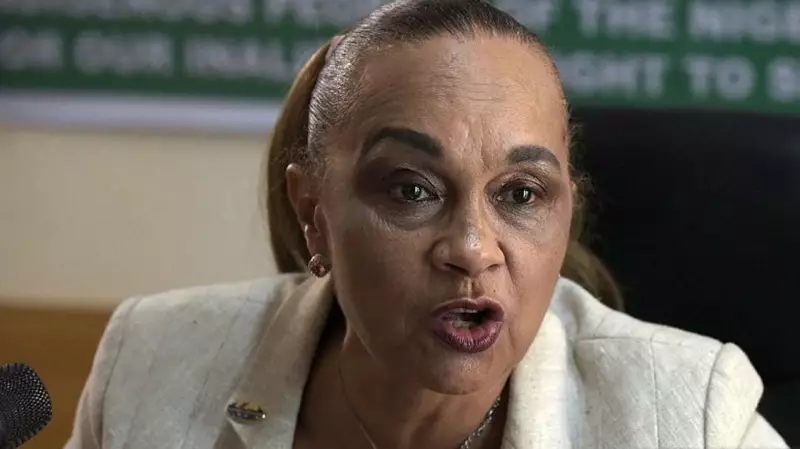
Renowned Niger Delta activist and stakeholder, Ann Kio Briggs, has issued a strong admonition to members of the Rivers State House of Assembly, urging them to desist from what she termed "bad politics." Briggs emphasized that lawmakers do not possess the mandate to determine who governs Rivers State, warning that their actions are undermining democracy.
Lamenting the severe impact of the prolonged political impasse on governance and development in the state, Briggs declared the situation unacceptable and called for an immediate end to the crisis. "The lawmakers cannot dictate to Rivers people who will govern them. Nobody will tell Rivers people who to vote for in 2027. This nonsense must stop," she asserted.
Federal Government Reiterates Constitutional Stance
In a related development, the Special Adviser to the President on Policy and Communication, Daniel Bwala, has reaffirmed the Federal Government's position on the Rivers political crisis. Speaking during a television interview, Bwala stressed that President Bola Tinubu remains firmly committed to the rule of law and constitutional order.
Bwala clarified that the political structure of the ruling All Progressives Congress (APC) in Rivers State is unambiguous, with the party respecting due process. He noted that existing court orders restraining the impeachment process must be obeyed, adding that no individual or institution should prevent Governor Fubara from governing the state.
Assembly's Unyielding Position and Legal Maneuvers
Despite these interventions, the Rivers State House of Assembly, under the leadership of Speaker Martin Amaewhule, shows no signs of de-escalating the crisis. The lawmakers recently declined an invitation to meet with a peace committee led by the Pan Niger Delta Forum (PANDEF), which included top security chiefs and regional stakeholders.
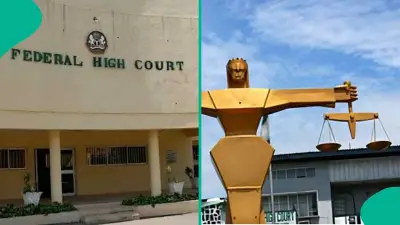
Subsequently, the Assembly filed an appeal against the interim court orders at the Court of Appeal, Port Harcourt Division. Court documents reveal that notices of appeal were served on the office of the Chief Judge of Rivers State, Justice Simeon Amadi, on January 19 and 20, 2026.
The Assembly had earlier requested the Chief Judge to constitute a seven-member panel to investigate Governor Fubara and his deputy over allegations of gross misconduct. However, in a letter dated January 20, 2026, addressed to the Speaker, Justice Amadi declined the request, citing legal restraints due to subsisting interim injunctions issued by a High Court.
Roots of the Escalating Tensions
The Chief Judge received two interim injunctions on January 16, stemming from separate suits filed by Governor Fubara and his deputy. These suits challenge the impeachment process, particularly the alleged improper service of the notice of allegations. Professor Odu, in her suit, specifically contested claims that she was duly served with the impeachment notice.
Tensions in Rivers State intensified after the lifting of the State of Emergency and the return of Governor Fubara to office. The fresh conflict emerged over governance decisions, notably the appointment of commissioners and the presentation of a supplementary 2025 budget.
Governor Siminalayi Fubara declined to present the supplementary budget, maintaining that the budget passed by the National Assembly and implemented by the Sole Administrator remained valid and in force. He insisted that the appropriate legislative action should focus on the 2026 Appropriation Bill. This position reportedly angered the Minister of the Federal Capital Territory, Nyesom Wike, further deepening the political rift.
Impeachment Proceedings and Legislative Resolve
The disagreement culminated in the issuance of an impeachment notice against the governor and his deputy. Although four lawmakers initially dissociated themselves from the move, they later aligned with the impeachment effort. Since then, members of the Rivers State House of Assembly involved in the process have remained resolute, vowing to pursue the impeachment to its logical conclusion.
As the crisis persists, stakeholders across Nigeria watch closely, with concerns mounting over the implications for governance, development, and democratic stability in Rivers State. The call for adherence to constitutional processes grows louder, echoing the sentiments of activists like Ann Kio Briggs and federal officials alike.