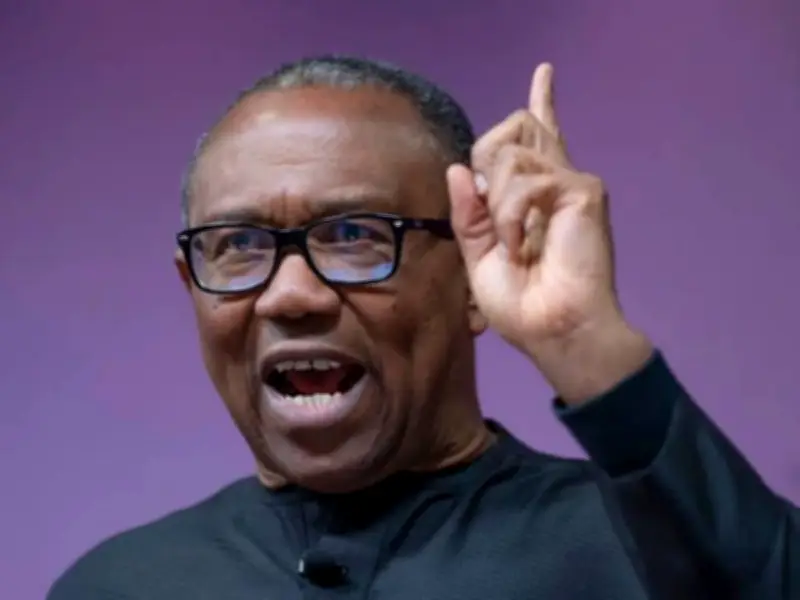
Labour Party presidential candidate Peter Obi has pledged to drastically reduce interest rates and revitalize the agricultural sector if elected in the 2023 general elections. During a campaign event in Lagos, Obi outlined his economic blueprint, emphasizing that high borrowing costs have stifled production and job creation.
Interest Rate Reduction Plan
Obi promised to bring down the central bank's monetary policy rate to single digits, arguing that the current double-digit rates discourage investment in manufacturing and agriculture. He stated that smallholder farmers and micro-enterprises would benefit from targeted credit facilities at concessional rates, enabling them to expand operations and increase output.
According to his campaign team, the plan involves restructuring the central bank's lending framework to prioritize real sector growth over speculative activities. Obi noted that Nigeria's interest rates are among the highest in Africa, which hampers competitiveness and keeps millions in poverty.
Agriculture as a Priority
The candidate also unveiled a comprehensive agricultural transformation agenda, aiming to boost food production, reduce imports, and create millions of jobs. Key elements include providing subsidized fertilizers, improving irrigation systems, and establishing processing zones to add value to raw commodities.
Obi emphasized that agriculture currently contributes about 25% to Nigeria's GDP but employs over 70% of the population, according to World Bank data. He argued that with proper funding and policy support, the sector can become a major source of foreign exchange and drive inclusive growth.
Impact on Economy and Jobs
Analysts say that lower interest rates could stimulate lending to agriculture, which currently receives less than 5% of total bank credit. Obi's proposals aim to reverse this trend, with a target of raising agricultural credit to at least 20% of loan portfolios within four years. He projected that these measures would create 10 million new jobs and lift 50 million Nigerians out of poverty.
However, some economists caution that reducing rates too quickly could trigger inflation. Obi responded by stressing that complementary policies—like boosting local production and stabilizing the naira—would mitigate such risks.
Campaign Reactions
The announcement has drawn mixed reactions. Supporters hailed the plan as visionary, while opponents questioned its feasibility given Nigeria's fiscal constraints. The Obi campaign maintains that the reforms are fully costed and achievable through improved governance and elimination of waste.
In a related development, the candidate called on Nigerians to scrutinize the economic records of other contenders, arguing that only his team had the competence to implement such transformative changes. He urged voters to prioritize issues over ethnic and religious sentiments.
Conclusion
As the election draws near, Peter Obi's economic agenda continues to generate debate. Whether his ambitious promises on interest rates and agriculture will resonate with voters remains to be seen, but his message is clear: a new direction for Nigeria's economy hinges on lowering the cost of borrowing and empowering the grassroots.