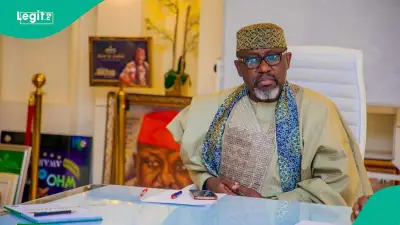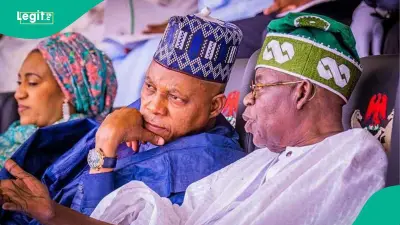
Former Governor of Anambra State, Peter Obi, announced his resignation from the African Democratic Congress (ADC) on Sunday, May 3, 2026, citing a toxic political environment, internal crises, and what he described as external interference undermining party stability.
Obi's Statement and Reasons
In a personally signed statement released via his X account, Obi clarified that his decision was not driven by personal grievances or a desperate desire to become president, but by a deepening culture of division, suspicion, and systemic disruption within the party. He also raised concerns about external interference, warning that similar destabilizing forces he previously experienced in the Labour Party appear to be emerging within the ADC.
Obi expressed frustration over the political climate in Nigeria, stating: "We now live in an environment that has become increasingly toxic, where the very system that should protect and create opportunities for decent living often works against the people." He emphasized that his departure was not due to mistreatment by party leaders such as Senator David Mark or Alhaji Atiku Abubakar, whom he continues to respect.
Speculations on Next Move
Although there are speculations that Obi may be aligning with the Nigeria Democratic Congress (NDC) alongside former Kano State governor, Rabiu Kwankwaso, with whom he intends to run for the presidency in the 2027 elections, no official confirmation has been made. Obi's exit from the ADC ahead of its primary elections suggests his lack of faith in the process, which he previously hoped would be credible enough to produce the best candidate.
Presidency Reacts
The Presidency reacted sharply to Obi's resignation, with Special Adviser on Information and Strategy, Bayo Onanuga, criticizing the former governor. Onanuga described Obi as a "political nomad" and a "politician made of jelly," suggesting that his exit was motivated by an inability to compete for the party's presidential ticket against figures like Atiku Abubakar and Rotimi Amaechi. He further accused Obi of taking "the easy road" and predicted a repeat of his 2023 electoral outcome.
Timeline of Peter Obi's Political Party Affiliations
- APGA (2003–2014): Obi began his political career with the All Progressives Grand Alliance, under which he contested and won the Anambra State governorship election in 2006, serving two terms.
- PDP (2014–2022): In 2014, he defected to the Peoples Democratic Party and later became the vice-presidential candidate to Atiku Abubakar in the 2019 general election.
- Labour Party (2022–2023): Obi joined the Labour Party in May 2022 after leaving the PDP. He emerged as the party's presidential candidate in the 2023 election, securing about 6.1 million votes to finish third.
- ADC (2025): In 2025, Obi moved to the African Democratic Congress, citing internal challenges within the Labour Party. He formally joined the party at an event in Enugu and obtained his membership card in Agulu Ward 2, Anaocha LGA of Anambra State.
Obi's latest political move marks another chapter in his shifting party affiliations, as he continues to navigate Nigeria's complex political landscape ahead of the 2027 elections.