From Prison Cells to Presidential Palaces: 10 Global Leaders Who Transformed Incarceration into Leadership
Imprisonment has frequently served as a powerful catalyst for extraordinary political transformations across the globe. Many influential leaders who endured incarceration for their activism or opposition to oppressive regimes later ascended to the highest offices in their nations, turning personal sacrifice into national leadership. This remarkable journey from confinement to command highlights the profound impact of resilience and dedication in shaping history.
1. Nelson Mandela: The Anti-Apartheid Icon Who Shaped a Nation
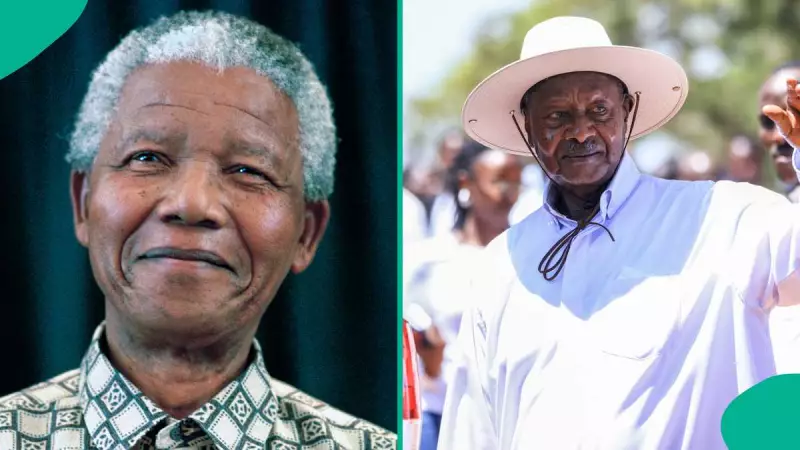
Nelson Mandela spent an astonishing 27 years behind bars, from 1962 to 1990, for his anti-apartheid activism and sabotage against South Africa's apartheid government. His imprisonment transformed him into a global symbol of freedom and reconciliation, culminating in his historic election as South Africa's first Black president in 1994. Mandela's legacy continues to inspire movements for justice worldwide.
2. José Mujica: From Guerrilla Fighter to Humble President
José Mujica was imprisoned between 1972 and 1985 for his involvement with the Tupamaros guerrilla group during Uruguay's military dictatorship. Emerging from incarceration, he served as President of Uruguay from 2010 to 2015, earning widespread respect for his humility and progressive policies that prioritized social welfare and environmental sustainability.
3. Lech Wałęsa: Solidarity Leader Turned Polish President
Lech Wałęsa faced detention in the early 1980s for leading the Solidarity movement against communist rule in Poland. His steadfast commitment to democratic principles propelled him to the presidency from 1990 to 1995, where he played a pivotal role in Poland's transition to democracy and integration into the European community.
4. Václav Havel: Dissident Who Led Czechoslovakia and the Czech Republic
Václav Havel endured multiple imprisonments between 1979 and 1989 as a prominent dissident and human rights activist under Czechoslovakia's communist regime. He later served as the last president of Czechoslovakia from 1989 to 1992 and became the first president of the Czech Republic from 1993 to 2003, championing democratic values and civic engagement.
5. Anwar Ibrahim: Reformist Leader Who Endured Repeated Detentions
Anwar Ibrahim faced politically motivated imprisonments multiple times from 1998 onwards as Malaysia's opposition leader. After decades of reformist activism, he achieved a historic victory by becoming Prime Minister of Malaysia in 2022, demonstrating that perseverance can overcome systemic challenges.
6. Robert Mugabe: Anti-Colonial Activist Who Ruled Zimbabwe
Robert Mugabe was imprisoned from 1964 to 1974 for his anti-colonial activism against the white-minority Rhodesian government. He emerged to become Prime Minister in 1980 and later President, leading Zimbabwe for decades, though his legacy remains complex and contested in post-colonial African history.
7. Yoweri Museveni: From Political Prisoner to Ugandan President
Yoweri Museveni was imprisoned in the early 1970s for his anti-Amin political activism. He later rose to power as President of Uganda in 1986 after leading successful guerrilla warfare against previous regimes, establishing a long tenure that has shaped Uganda's modern political landscape.
8. Félix Houphouët-Boigny: Ivory Coast's First Post-Independence President
Félix Houphouët-Boigny experienced brief imprisonment during the French colonial era for his political activism. He went on to become President of the Ivory Coast from 1960 to 1993, serving as the nation's first post-independence leader and fostering economic growth during his lengthy rule.
9. Juan Perón: Detention That Boosted Popularity in Argentina
Juan Perón was imprisoned and exiled in 1945 for political opposition, an experience that surprisingly strengthened his popularity among the masses. He returned to lead Argentina as President in 1946, implementing policies that reshaped the country's social and economic structures for generations.
10. Lula da Silva: Activist Who Rose to Brazil's Presidency
Lula da Silva faced brief political detentions during the 1980s under Brazil's military dictatorship. His years of activism, including imprisonment, bolstered his credibility among working-class Brazilians, leading to his presidency from 2003 to 2010, where he championed poverty reduction and social programs.
The Transformative Power of Resilience in Leadership
This historical narrative reveals that imprisonment did not silence these leaders but instead amplified their voices and strengthened their resolve. Their journeys from confinement to command illustrate how personal trials can be transformed into national triumphs, proving that sacrifice and resilience often pave the way for effective leadership. These stories serve as powerful reminders that adversity can forge the character necessary to guide nations through challenging times, inspiring future generations to persevere in the face of oppression.