10 Key Moments When Political Godfathers Fell Out with Their Protégés in Nigerian Politics
Nigerian political history since the return to democracy in 1999 has been marked by dramatic ruptures between political godfathers and their protégés. These relationships, often built on mentorship and support, frequently collapse once protégés assume power and seek independence, leading to bitter rivalries that reshape political landscapes across states.
The Latest Rupture: Kwankwaso and Yusuf in Kano
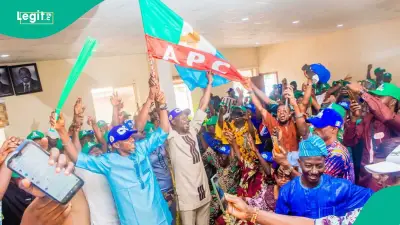
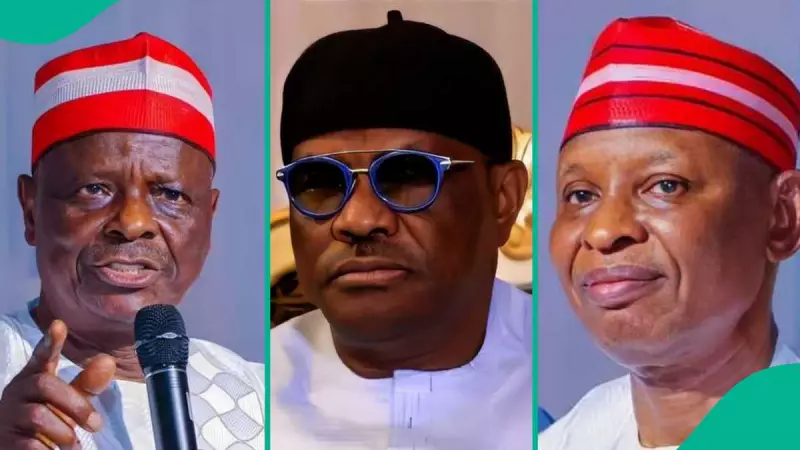
The most recent and significant fallout involves Kano State Governor Abba Kabir Yusuf and his political mentor, NNPP leader Rabiu Musa Kwankwaso. Governor Yusuf, who was elected under the NNPP in 2023, recently announced his defection to the APC, citing internal conflicts and a need to focus on Kano's development. This move represents a major blow to Kwankwaso's political influence in Kano, where he had twice nominated Yusuf for governorship—unsuccessfully in 2019 under the PDP and successfully in 2023 under the NNPP.
Historical Patterns of Political Fallouts
This pattern of godfather-protégé conflicts is not new. Since 1999, numerous high-profile relationships have disintegrated, often as protégés establish their own political identities. Below are ten key moments that illustrate this recurring theme in Nigerian politics.
1. Kwankwaso vs. Ganduje (Kano State)
One of the most dramatic fallouts occurred between former Kano governor Rabiu Musa Kwankwaso and his long-time ally Abdullahi Umar Ganduje. Ganduje served as Kwankwaso's deputy during both his terms as governor (1999-2003 and 2011-2015) and was later nominated by Kwankwaso to succeed him. However, after Ganduje became governor in 2015, differences emerged, leading to Kwankwaso defecting from the APC to the PDP and creating a lasting political rift in Kano.
2. El-Rufai vs. Uba Sani (Kaduna State)
Another surprising split unfolded between former Kaduna governor Nasir El-Rufai and incumbent governor Uba Sani. El-Rufai played a crucial role in Uba Sani's political career, helping him become a senator and later endorsing him for the 2023 governorship election. Yet, after Uba Sani took office, disagreements arose, prompting El-Rufai to leave the APC and join other parties, highlighting tensions over governance and party control.
3. Wike vs. Fubara (Rivers State)
In Rivers State, a conflict erupted between Governor Siminalayi Fubara and his former boss, ex-governor Nyesom Wike. Wike was instrumental in securing Fubara's PDP governorship ticket, but differences later plunged the state into political turmoil. This led to Fubara's defection to the APC in late 2025, further exposing the rift and impacting the state's stability.
4. Tinubu vs. Ambode (Lagos State)
Nigeria's current President Bola Tinubu, once the political boss of Lagos State, experienced a fallout with former governor Akinwunmi Ambode. Tinubu nominated Ambode for the 2015 governorship election, which he won. However, governance differences led Tinubu to withdraw support, resulting in Ambode's replacement as the APC candidate in 2019 and his failure to secure a second term.
5. Wike vs. Amaechi (Rivers State)
Rivers State has seen multiple godfather-protégé conflicts, including between former governors Rotimi Amaechi and Nyesom Wike. Amaechi appointed Wike as Chief of Staff and later supported his gubernatorial bid. However, disagreements arose, leading Amaechi to leave the PDP for the APC, illustrating how power struggles can redefine political alliances.
6. Amaechi vs. Odili (Rivers State)
Earlier in Rivers State, Rotimi Amaechi fell out with his political godfather, Peter Odili, after becoming governor in 2007. Amaechi's gradual distancing from Odili's influence triggered political realignments and power struggles, setting the stage for future conflicts involving other key figures in the state.
7. Obaseki vs. Oshiomhole (Edo State)
In Edo State, former governor Adams Oshiomhole played a major role in installing Godwin Obaseki as governor in 2016. Their relationship collapsed over control of party structures and governance direction, leading Obaseki to defect from the APC to the PDP and win a second term in 2020, marking one of Nigeria's most dramatic political fallouts.
8. Obasanjo vs. Atiku Abubakar (Federal Level)
At the federal level, former President Olusegun Obasanjo and his vice president, Atiku Abubakar, experienced one of the earliest godfather-protégé splits in the Fourth Republic. After working together from 1999 to 2007, differences emerged over Obasanjo's bid for a third term, with Atiku opposing the move and straining their relationship significantly.
9. Shekarau vs. Buhari (Kano/Federal Level)
Former Kano governor Ibrahim Shekarau was once a key ally of ex-President Muhammadu Buhari, mobilizing support for his presidential bids. However, disagreements over party structure and appointments led Shekarau to distance himself from Buhari's camp, weakening their political machinery in Kano and reshaping alignments.
10. Other Notable Fallouts
Beyond these prominent cases, other states have witnessed similar rifts. These include conflicts between former Sokoto governors Attahiru Bafarawa and Aliyu Wamakko, former Zamfara governors Ahmad Sani Yarima and Mahmudu Shinkafi, and former Gombe governors Danjuma Goje and Ibrahim Dangwambo. Additionally, tensions between Jigawa's former governor Mohammed Badaru Abubakar and incumbent Umar Namadi, though less public, have influenced state politics.
Impact and Ongoing Dynamics
These fallouts often lead to political realignments, defections, and weakened party structures. For instance, in Kano, Kwankwaso's supporters recently rallied at his residence to show solidarity amid tensions, highlighting how such conflicts mobilize grassroots movements. As protégés seek autonomy, these dynamics continue to shape Nigeria's political landscape, affecting governance and electoral outcomes across the country.