Adebayo Warns Nigeria Drifting Toward One-Man Rule, Raises Concern Over Insecurity
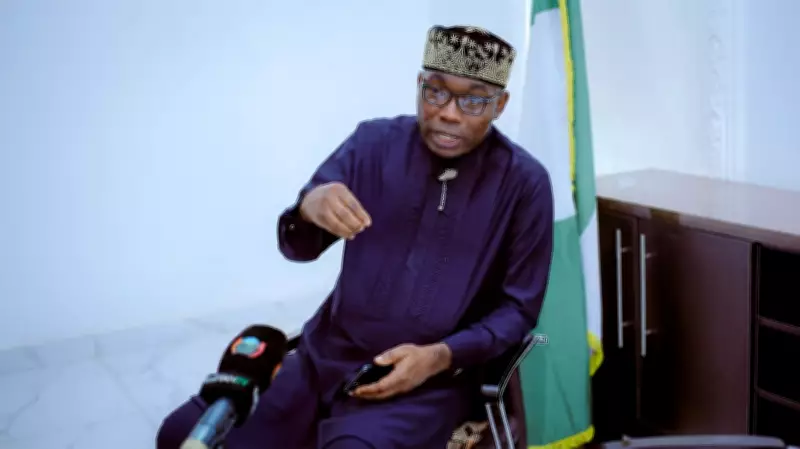
Prominent politician and former presidential candidate of the Social Democratic Party (SDP), Adewole Adebayo, has issued a stark warning that Nigeria is at risk of sliding into a one-man rule rather than evolving into a one-party state. This caution comes amid growing concerns over governance, escalating insecurity, and the weakening of opposition politics across the nation.
Firsthand Insight into Humanitarian Crisis
Adebayo recently visited violence-affected communities in Plateau State, aiming to gain firsthand insight into the humanitarian crisis. In areas such as Angua Rukuba, repeated attacks have left many families bereaved and displaced, a situation he described as devastating. He noted that beyond widely reported incidents, numerous low-profile killings continue across the country without adequate attention from authorities.
According to Adebayo, many affected communities have lost confidence in government protection and feel abandoned. Victims are increasingly reluctant to report incidents, believing authorities will not respond, which has led some to question the humanity of fellow human beings. His interactions with community leaders, victims, and security personnel exposed significant gaps in response capacity and coordination.
Criticism of Leadership and Security Response
While expressing confidence in the ability of law enforcement agencies, Adebayo attributed their inefficiency to poor leadership and inadequate support. He criticized the federal government's handling of crisis situations, arguing that true leadership demands direct engagement with affected communities rather than symbolic gestures. The problem is not the structure; it is leadership, he emphasized, stressing that both the current security architecture and any proposed state police system could succeed if driven by sincerity and accountability.
Political Ambitions and Opposition Concerns
Addressing questions about his political ambition, Adebayo confirmed he would contest the 2027 presidential election, insisting that his recent activities were driven by national concern rather than political considerations. He maintained that politicians could still demonstrate empathy and solidarity with grieving citizens.
On the state of opposition politics, particularly the crisis within the African Democratic Congress, he argued that internal disputes should be resolved through legal processes. While party members have the right to protest, clarity must ultimately come from the courts, especially in matters involving the Independent National Electoral Commission.
Warning Against Concentration of Power
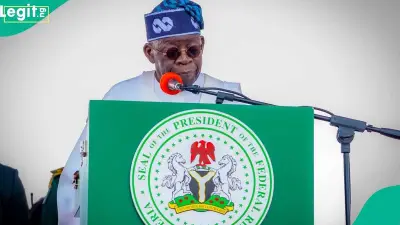
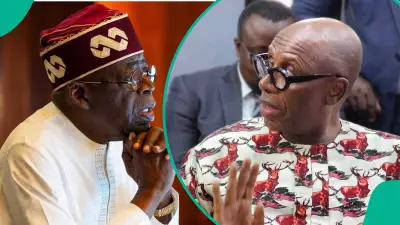
Adebayo expressed broader concerns about the weakening of opposition parties, warning that internal wrangling and poor organization could undermine their ability to effectively challenge the ruling All Progressives Congress. However, he dismissed fears that Nigeria is heading toward a one-party system under the APC, cautioning instead against what he described as a more dangerous trend—the concentration of power around President Bola Tinubu. He argued that such a development could weaken even the ruling party by eroding internal democracy and institutional strength.
Political Disengagement and Systemic Reform
Drawing from the 2023 general elections, Adebayo noted that low voter turnout reflects widespread political disengagement, with many Nigerians feeling disconnected from the process. Our politics has become that of a self-interested elite, he said, urging citizens to remain actively engaged in holding leaders accountable.
On frequent defections and internal party crises, Adebayo attributed the trend to a decline in ideological politics, lamenting that many politicians now operate without clear principles and switch parties based on personal gain. He called for a reinvention of the political class, warning that without systemic reform, the same actors would continue to dominate the political space regardless of party affiliation.
In summary, Adebayo's warnings highlight critical issues facing Nigeria, from insecurity and governance failures to political apathy and the risk of authoritarian drift. His call for improved leadership and citizen engagement underscores the need for meaningful progress at all levels of government.