Akpabio Urges Parliaments to Stabilize Faltering Governments at IPU Assembly
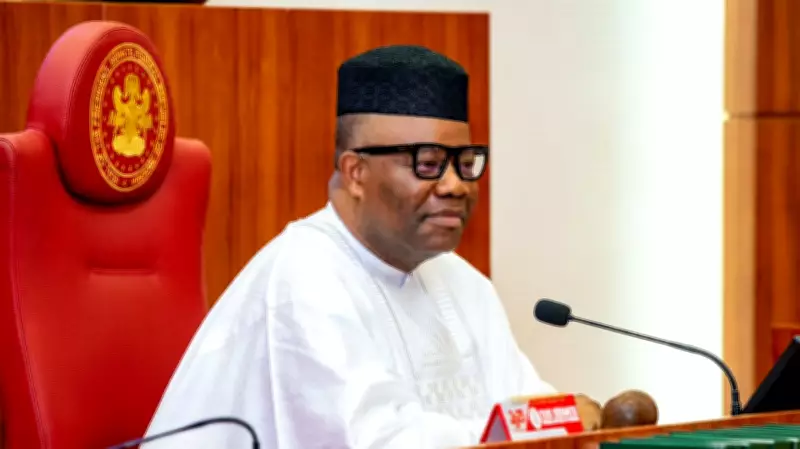
Senator Godswill Akpabio, Nigeria's Senate President, has delivered a compelling address at the 152nd Assembly of the Inter-Parliamentary Union (IPU), calling on parliaments globally to step up as moral anchors in an era marked by conflict, inequality, and eroding trust in leadership. He emphasized that legislatures must not remain passive but should actively defend peace, justice, and humanity.
Parliaments as Guardians of Global Stability
Akpabio framed parliaments as "the conscience of the people" and "the first hope of the masses," arguing that when governments falter, these bodies must not stay silent. His message comes at a critical time when traditional power structures are under immense pressure, and confidence in political leadership is increasingly fragile. He stressed that peace is not inherited but must be built, defended, and sustained through continuous effort.
Critique of Global Leadership and Power Dynamics
Beyond mere rhetoric, Akpabio's intervention carried a deeper warning about the world drifting into a system where force overrides fairness. He stated, "This is not merely a crisis of security; it is a crisis of leadership. Might must not be mistaken for right." This critique highlights a global order where power dynamics often shape justice, leaving weaker nations and vulnerable populations exposed. He urged a fundamental shift toward development-driven cooperation, advocating for resources to be redirected from warfare to human progress.
Role of the IPU and Multilateralism
Akpabio positioned the IPU as a potential counterbalance in global governance, capable of amplifying voices often marginalized in arenas dominated by powerful states. He called for stronger engagement with the United Nations and a renewed commitment to multilateralism based on equity rather than influence. His speech took on a generational tone, focusing on long-term responsibility rather than immediate political gains.
Support from IPU Leadership
Earlier in the assembly, IPU President Tulia Ackson reinforced the urgency of the moment, urging parliaments worldwide to provide not just legislation but also leadership and moral clarity in an increasingly uncertain world. Together, the messages from the IPU Assembly suggest a subtle but significant shift: as global crises deepen, the burden of leadership may increasingly fall on parliaments elected to represent the people directly.
This shift could redefine the role of parliaments, not just within their respective nations but in shaping the global landscape. Akpabio's call to action underscores the need for legislatures to evolve and take on a more proactive role in ensuring stability and justice worldwide.