Annual Basic Salaries for Political and Judicial Office Holders in Nigeria Disclosed
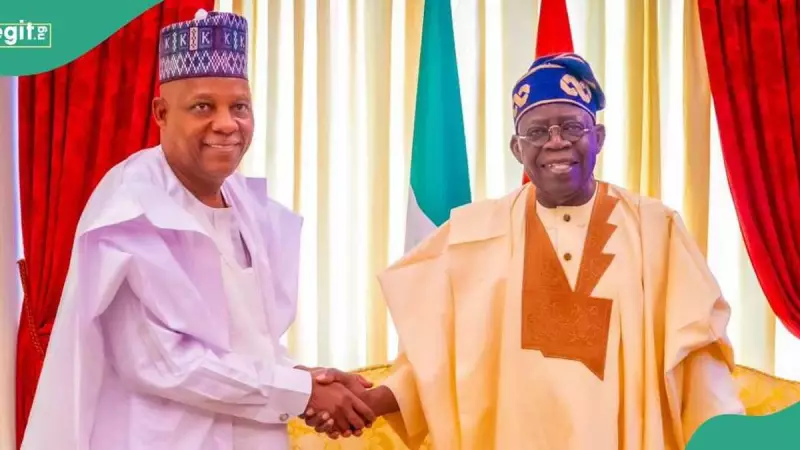
In a recent development, the annual basic salaries for key political and judicial office holders in Nigeria have been made public, shedding light on the compensation structures for top government officials. This revelation includes figures for President Bola Tinubu and Vice President Kashim Shettima, among others, providing transparency into the financial remuneration of those in high-ranking positions.
Details of Salaries for Executive and Legislative Leaders
The disclosed information outlines the annual basic salaries for various roles within the executive and legislative branches. For instance, President Bola Tinubu's annual basic salary is reported to be a specific amount, reflecting the compensation for the nation's highest office. Similarly, Vice President Kashim Shettima's salary is detailed, emphasizing the structured pay scale for the second-in-command.
Other political office holders, such as senators, members of the House of Representatives, and state governors, also have their annual basic salaries listed. This data helps in understanding the financial framework that supports Nigeria's democratic governance, ensuring that public servants are compensated in line with their responsibilities and the economic context of the country.
Judicial Office Holders' Compensation Structures
In addition to political figures, the annual basic salaries for judicial office holders have been revealed. This includes judges at various levels, such as the Chief Justice of Nigeria and other justices, whose salaries are crucial for maintaining the independence and integrity of the judiciary. The disclosure aims to promote accountability and public awareness regarding how taxpayer funds are allocated to support the judicial system.
The figures highlight the differences in compensation between political and judicial roles, underscoring the importance of fair and transparent salary scales in fostering good governance and reducing corruption risks.
Implications for Governance and Public Perception
The release of these salary details has sparked discussions among Nigerians about the appropriateness of such compensation in light of the country's economic challenges. Some argue that high salaries for office holders are necessary to attract qualified individuals and prevent corruption, while others call for moderation to align with the average citizen's income.
This transparency initiative is part of broader efforts to enhance governance and build public trust. By making salary information accessible, it allows for informed debates on fiscal policies and the allocation of national resources, potentially influencing future adjustments to compensation packages.
Overall, the disclosure of annual basic salaries for political and judicial office holders serves as a step towards greater openness in Nigeria's public administration, encouraging scrutiny and dialogue on issues of remuneration and accountability in government.