Persistent Blackouts Threaten Adebayo Adelabu's Oyo 2027 Governorship Ambitions
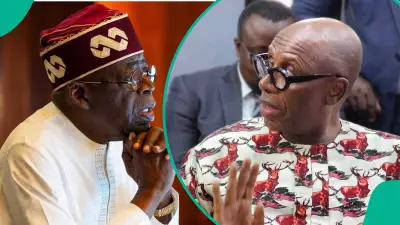
Adebayo Adelabu, a former Deputy Governor (Operations) of the Central Bank of Nigeria, was appointed as Minister of Power by President Bola Tinubu in 2023. His appointment sparked immediate reactions from industry stakeholders who questioned whether someone without deep technical experience could effectively manage one of Nigeria's most complex and dysfunctional sectors. As power outages worsen across the country, Adelabu faces a growing political test ahead of the 2027 governorship race in Oyo State, where he aims to succeed incumbent Governor Seyi Makinde.
Historical Context of Nigeria's Electricity Crisis
To understand the difficulty of Adelabu's assignment, one must examine the long and troubled history of electricity management in Nigeria. The sector has developed a reputation as the Bermuda Triangle of Nigerian governance, with structural problems dating back decades. The controversial $16 billion reportedly spent during former President Olusegun Obasanjo's administration has become mythical in political discourse, yet power supply remains erratic and unreliable today.
Successive ministers have inherited this broken system, with none able to fundamentally change its trajectory. The 2013 privatization of the Power Holding Company of Nigeria was intended to usher in efficiency and investment, but the expected improvements never materialized. Even technocrats like Babatunde Fashola, who served as Minister of Power under President Muhammadu Buhari, struggled to tame the sector despite his administrative discipline and policy efforts.
Current Challenges and Public Outcry
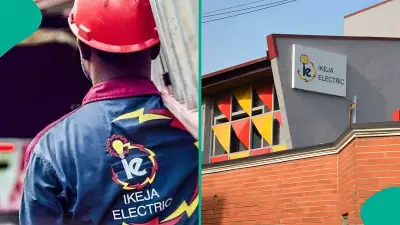
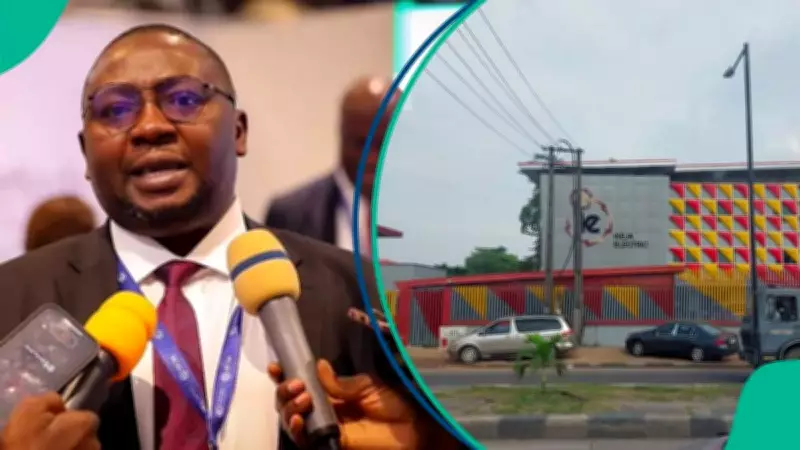
The national grid has collapsed multiple times this year alone, with distribution companies citing gas supply shortages to power plants as a major reason for widespread blackouts. Across cities like Lagos, electricity supply has been painfully inconsistent for weeks, leading to protests where residents marched with placards against epileptic power supply. In many neighborhoods, generators have become unofficial mayors, and small businesses are bleeding money daily due to power failures.
For ordinary Nigerians, these blackouts represent more than inconvenience; they constitute economic sabotage. When electricity disappears, productivity collapses, factories slow down, hospitals struggle, and households spend exorbitant amounts on fuel to keep basic appliances running. The economic impact is severe, with barbers charging more, frozen food sellers praying over their refrigerators, and students reading under rechargeable lamps.
Political Implications for Adelabu's Ambitions
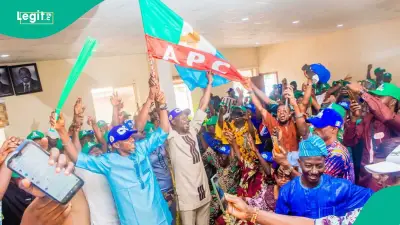
Adelabu's expected resignation ahead of the 2027 Oyo State governorship race has triggered quiet lobbying among individuals interested in replacing him as Minister of Power. Stakeholders are urging President Tinubu to appoint a technocrat who understands the technical, financial, and regulatory complexities of the sector. Ironically, the ministerial appointment has become Adelabu's major Achilles' heel, potentially denting his political career instead of strengthening his national profile.
When the 2027 campaign season begins, Adelabu will face tough questions about his performance in the power sector. How can he convince voters in Oyo State that he can govern better than Governor Makinde when many Nigerians associate his name with persistent power outages? His campaign may need to defend the performance of a sector that has frustrated millions, requiring strategic messaging and political magic to overcome this challenge.
Structural Flaws and Future Reforms
The electricity sector is burdened by weak infrastructure, huge debts, regulatory confusion, and tariffs that cannot attract serious investment. Until issues like subsidies are decisively addressed and phased out to restore investor confidence, the liquidity needed to keep the industry afloat will remain out of reach. Investors are wary of a system where tariffs are dictated by politics while operational costs continue to climb relentlessly.
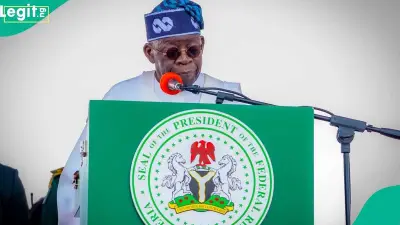
President Tinubu must carefully consider Adelabu's successor, with some suggesting the Ministry of Power should temporarily be given to a political figure willing to absorb the heat from unpopular reforms like tariff adjustments and subsidy removal. Without these tough decisions, Nigeria may continue to circle the same electricity crisis it has battled for decades, leaving ordinary citizens wondering when the lights will finally stay on.