
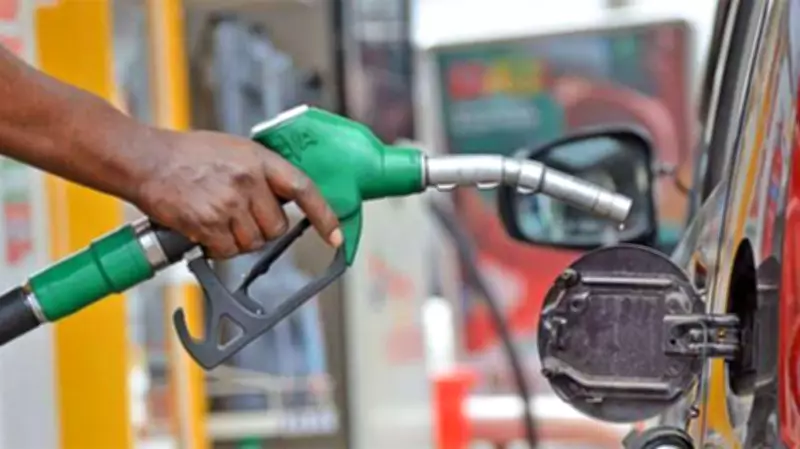
Nigeria's Petrol Price Skyrockets 39.5%, Second Highest Globally
Nigeria has experienced a dramatic surge in petrol prices, with a 39.5% increase since February 23, 2026, positioning it as the country with the second highest petrol price surge worldwide. This alarming development highlights Nigeria's vulnerability to global energy market shocks, despite its status as Africa's largest crude oil producer. The spike is primarily linked to ongoing geopolitical tensions, particularly the Iran conflict, which has disrupted global oil supply chains and driven up crude oil prices.
Global Crisis Amplifies Domestic Vulnerabilities
The conflict involving Iran has tightened global oil supply expectations, pushing crude oil prices upward. While oil-exporting nations often benefit from such increases, Nigeria's situation is starkly different due to its heavy reliance on imported refined petroleum products. With limited domestic refining capacity and inefficiencies in the downstream system, Nigeria's petrol prices are highly sensitive to international price fluctuations, exchange rate volatility, and rising logistics costs. This dependency has intensified inflationary pressures, directly impacting transportation, food prices, and the overall cost of living for Nigerians.
Nigeria Stands Out in Global and African Contexts
Among African nations, Nigeria is the only country to record such a sharp petrol price surge since the escalation of Middle East tensions. Globally, Nigeria's 39.5% increase surpasses those in many developed economies, such as the United States (16.6%), Germany (14.9%), and Canada (10.6%). Even among oil-exporting nations, the contrast is evident, with countries like Qatar and the United Arab Emirates experiencing far smaller increases, attributed to stronger domestic refining systems and effective price stabilization frameworks.
Structural Weaknesses in the Energy Sector
Energy experts point to several underlying issues driving Nigeria's petrol price increase:
- Inadequate refining capacity: Nigeria remains dependent on imported fuel due to limited local refining infrastructure.
- Foreign exchange challenges: The depreciation of the naira has made imported fuel more expensive.
- Absence of strategic petroleum reserves: Lack of reserves to cushion against global supply disruptions.
Timothy Okon, Managing Partner at Teno Energy, emphasized in a recent television interview that Nigeria must urgently establish strategic reserves to mitigate the effects of global supply disruptions. He noted that the current crisis stems from external factors, such as disruptions in global supply routes like the Strait of Hormuz, which have impacted fuel pricing. Additionally, the removal of fuel subsidies has transferred the full impact of price fluctuations directly onto consumers, exacerbating financial strain.
Economic Impact of Rising Petrol Prices
The surge in petrol prices is already affecting multiple sectors of Nigeria's economy:
- Transportation costs: Have surged across major cities, increasing operational expenses for businesses.
- Household finances: Reduced purchasing power and increased financial strain, particularly for low- and middle-income earners.
- Inflationary pressures: Likely to intensify as energy costs influence the prices of goods and services.
Urgent Need for Energy Sector Reforms
The latest petrol price surge underscores the critical need for accelerated reforms in Nigeria's downstream petroleum sector. Analysts stress that boosting local refining capacity, stabilizing the foreign exchange market, and improving supply chain efficiency are essential steps to reduce Nigeria's exposure to global oil crises. Without these reforms, Nigeria may continue to face repeated cycles of fuel price increases whenever disruptions occur in the international energy market, perpetuating economic instability and hardship for its citizens.




