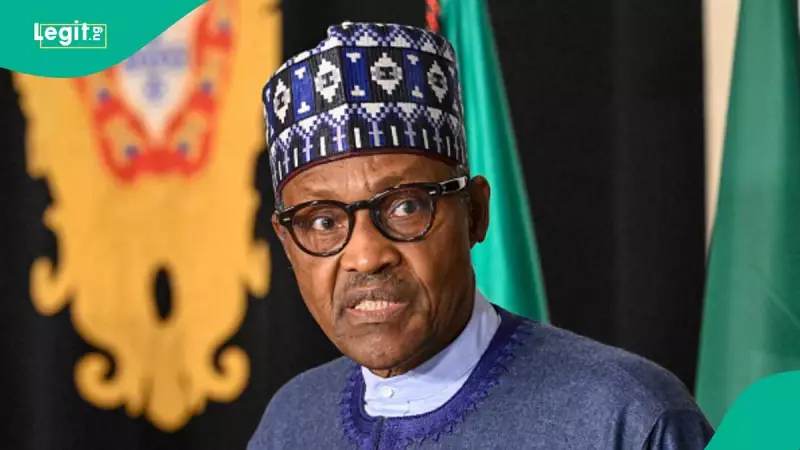
A newly published book has provided a definitive account of the rationale behind the contentious naira redesign policy implemented under former President Muhammadu Buhari, revealing it was primarily an anti-vote-buying measure.
The Core Motivation: Protecting Electoral Integrity
According to the book titled From Soldier to Statesman: The Legacy of Muhammadu Buhari, the policy was approved by Buhari specifically to curb the rampant use of cash for vote-buying during elections. The account clarifies that the move was not conceived to disadvantage any political party, despite widespread public perception and heated controversy in the lead-up to the 2023 general elections.
The book, authored by Dr. Charles Omole, the Director-General of the Institute for Police and Security Policy Research (IPSPR), was officially presented in Abuja on December 15, 2025. It details how security and anti-corruption agencies were central to advocating for the measure.
Security Agencies and EFCC at the Forefront
The narrative indicates that the proposal for the currency redesign originated from the then-chairman of the Economic and Financial Crimes Commission (EFCC). The objective was straightforward: to limit the volume of physical cash available for manipulating voters at polling units.
Furthermore, the book quotes the former Director-General of the Department of State Services (DSS), Yusuf Bichi, who linked the policy to persistent concerns raised by security agencies over the corrosive role of cash in Nigeria's electoral process. Upon reviewing this rationale, President Buhari gave his approval for the policy to proceed.
Buhari's Directive Amidst Mounting Controversy
As public debate intensified, with many accusing the government of partisan motives, the book discloses that Buhari ordered an internal review into the policy's origins and implementation. Dr. Omole writes that Buhari, concerned about potential misrepresentation, directed that reports on the matter be submitted directly to him.
The publication also emphasizes Buhari's stated principle that law enforcement agencies must operate strictly within their legal mandates. It asserts his insistence that the machinery of the state should never be deployed to favour or victimize any political actor. Thus, the naira redesign was framed as a non-partisan action against monetary influence in politics, rather than a weapon against opponents.
In a related revelation from the same book, former First Lady Aisha Buhari addressed the cause of the late President's death, dismissing rumours of poisoning. She stated that medical officials confirmed pneumonia as the immediate cause of death.