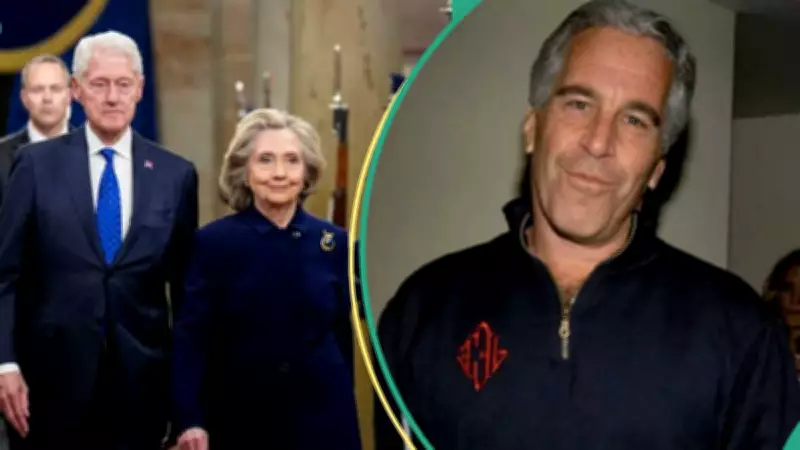
Clintons Agree to Testify in Epstein Investigation Amid Congressional Pressure
Former United States President Bill Clinton and his wife, former Secretary of State Hillary Clinton, have formally agreed to provide testimony in the ongoing congressional investigation into the late financier Jeffrey Epstein. This development comes after months of legal negotiations and political standoff with the House Oversight Committee.
Historic Congressional Testimony
This will mark the first time a former US president has testified before a congressional panel since Gerald Ford did so in 1983. The Clintons' agreement to testify represents a significant moment in American political history, particularly given the high-profile nature of the Epstein investigation that has captured global attention.
Neither Bill nor Hillary Clinton has been accused of any wrongdoing by survivors of Epstein's abuse, and both have consistently denied any knowledge of his criminal activities. The former president has stated that he cut off contact with Epstein approximately two decades ago, though he acknowledged their previous acquaintance.
Legal Negotiations and Committee Concerns
The Clintons' lawyers initially proposed limited testimony centered around a four-hour interview Bill Clinton gave on January 30, 2026. However, House Oversight Committee Chairman James Comer expressed concerns that this arrangement might allow the former president to avoid answering certain questions or delay the proceedings.
On Monday, February 2, 2026, Bill Clinton's deputy chief of staff Angel Ureña confirmed via social media that the couple would appear before the panel. Ureña stated that the Clintons had negotiated in good faith and would testify under oath about what they know regarding the Epstein matter.
Political Context and Broader Implications
The agreement comes just days before a scheduled vote on whether to hold the Clintons in criminal contempt for their previous refusal to appear before the committee. House Rules Committee Chairwoman Virginia Foxx noted that the Oversight Committee needed additional time to clarify the specific terms of the Clintons' agreement to testify.
This development occurs against the backdrop of renewed political debate surrounding Epstein's connections. Recently released private emails mentioned former President Donald Trump, though he has not been accused of any wrongdoing. The Epstein case regained global attention after the U.S. Department of Justice released millions of documents related to the investigation.
Legislative Background
The US House of Representatives recently passed legislation directing the Department of Justice to release files linked to Epstein, with near-unanimous support. Only Representative Clay Higgins cast a dissenting vote, expressing concerns that the bill could potentially expose innocent individuals named in investigative records.
Bill Clinton's deposition will represent a historic moment in congressional oversight, setting a precedent for how former presidents engage with legislative investigations. The testimony is expected to address questions about Epstein's network and activities, though specific dates for the depositions have not yet been announced.