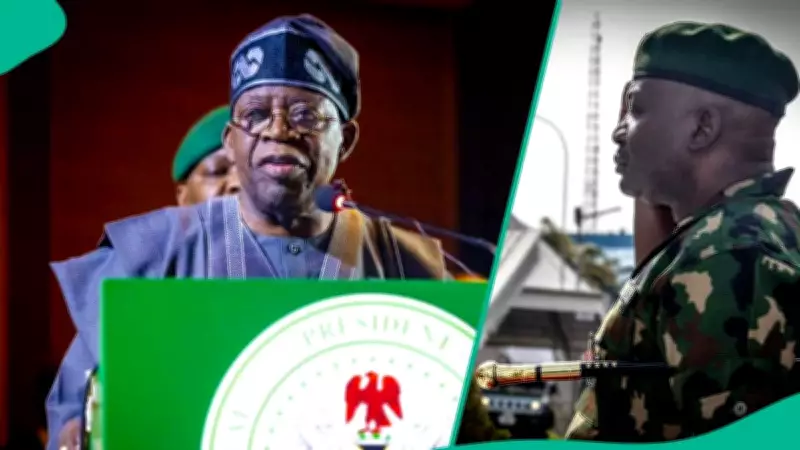
Defence Minister Addresses Coup Allegations Against President Tinubu
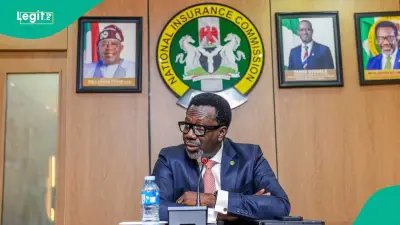
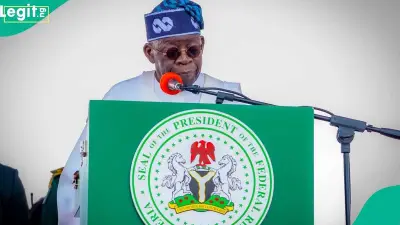
General Christopher Musa (Rtd), Nigeria's Minister of Defence, has sparked widespread discussion across the nation following his recent comments on an alleged coup plot aimed at ousting President Bola Tinubu and undermining the country's democratic system. The minister's statements, made during a televised interview, have ignited a fiery debate among citizens regarding military interventions and constitutional governance.
Minister Assures Fair Process and Family Support
In his detailed remarks, General Musa emphasized that the individuals accused of plotting against the government are fully aware of the severe implications of their actions and have consciously decided to proceed. He revealed that the alleged perpetrators will face court-martial proceedings, where they will be granted the right to legal representation to defend themselves. The minister stressed that these military tribunals would be conducted with transparency and fairness, adhering to established judicial standards.
Furthermore, Musa highlighted the government's commitment to supporting the families of those involved. He assured that the wives and children of the accused would not be abandoned, with the state taking measures to ensure their welfare during this challenging period. However, he reiterated that the main instigators must confront the legal consequences of their treasonous activities, which they reportedly anticipated.
Nigerians Voice Diverse Opinions on Coup Implications
The minister's comments have triggered a spectrum of reactions from Nigerians, reflecting deep-seated concerns about national stability and democratic principles. Many citizens have taken to various platforms to express their views, with opinions ranging from harsh condemnation to analytical reflections on Nigeria's political history.
HRH. King Emeka argued that coup attempts are unlikely to succeed in contemporary Nigeria due to the maturity of its democratic institutions compared to the 1960s. He described such plots as treasonous acts warranting severe punishment, questioning the rationale behind believing they could work today.
In contrast, Dhebz advocated for extreme measures, suggesting that the plotters should face a firing squad in a televised event to deter future conspiracies. This viewpoint underscores the emotional intensity surrounding issues of national security and sovereignty.
Seun raised concerns about ethnic dimensions, noting that if the plot were associated with the Igbo community, the response might involve broader collective punishment rather than considerations for families. This comment highlights ongoing tensions regarding equity in Nigeria's security and judicial processes.
Estoba called for investigations into social media accounts promoting coup narratives, particularly those glorifying military takeovers in neighboring countries like Niger and Burkina Faso. This reflects growing awareness of digital platforms' role in shaping political discourse and security threats.
Olabanji Mikail offered a constitutional perspective, suggesting that relevant legal provisions were influenced by Sharia law, indicating the complex interplay between Nigeria's diverse legal traditions and its governance framework.
Background on the Alleged Coup Plot
Reports indicate that the alleged conspiracy aimed to disrupt the democratic transition from former President Muhammadu Buhari to President Bola Tinubu in 2023. Investigations have identified Colonel Alhassan Ma'aji as the alleged mastermind, with former Bayelsa State Governor Timipre Sylva accused of providing financial backing for the plot. The Economic and Financial Crimes Commission (EFCC) has declared Sylva wanted as part of ongoing probes, underscoring the multi-faceted nature of the security challenge.
This incident underscores the persistent threats to Nigeria's democracy and the importance of robust institutional responses. As the nation grapples with these revelations, the dialogue initiated by Minister Musa's statements continues to evolve, shaping public perceptions of military loyalty, constitutional order, and national unity in a critical election period.