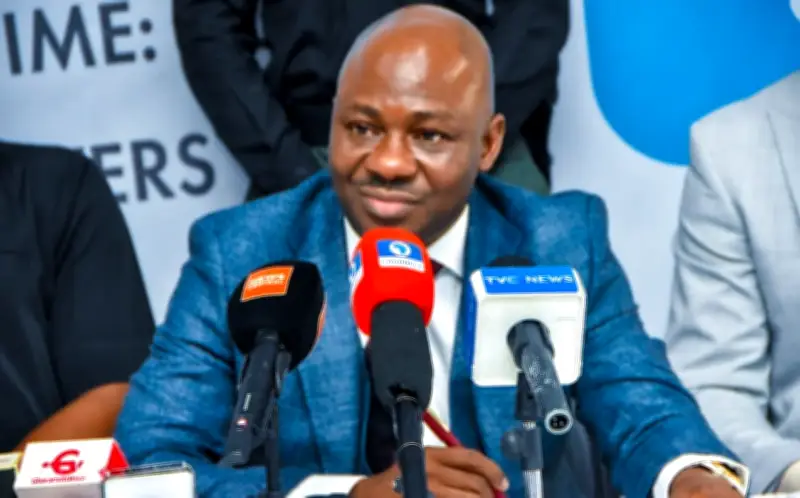
The Speaker of the Delta State House of Assembly, Rt. Hon. Emomotimi Dennis Guwor, has announced that the 8th Assembly received 11 bills, passed five into law, and approved a N1.729 trillion budget during its third session.
Legislative Achievements Highlighted
Addressing journalists in Asaba as part of activities marking the Third Session of the 8th Assembly, Guwor stated that the legislature remained focused on delivering its constitutional mandate through lawmaking, oversight, and representation while ensuring transparency and accountability in governance.
According to the Speaker, the House received a total of 11 bills during the period under review, comprising five Executive Bills and six Private Members' Bills. He disclosed that out of the 11 bills, five had been passed by the Assembly, with four already assented to by Governor Sheriff Oborevwori, while one is currently undergoing the process for gubernatorial assent.
Bills Under Consideration
The bills considered by the House include the Delta State Gaming Board Bill, 2025; Delta State Landlord and Tenant Bill, 2025; Violence Against Persons (Amendment) Bill, 2025; HIV/AIDS, Hepatitis B/C Anti-Discrimination, Prevention and Protection Bill, 2025; Delta State Cybercrime Prohibition and Prevention Bill, 2025; and the Delta State Public Health and Hygiene Bill, 2025, all of which are at various stages of legislative consideration.
Other bills include the Appropriation (Amendment) Bill, 2024; Delta State Anti-Terrorism and Anti-Cultism (Amendment) Bill, 2025; Delta State Appropriation Bill, 2026; Supplementary Appropriation Bill, 2025; and the Delta State Revenue Service Bill, 2026.
Strengthening Security Framework
Guwor noted that the passage of the Delta State Anti-Terrorism and Anti-Cultism (Amendment) Bill reflected the Assembly's determination to strengthen the legal framework for combating insecurity, cult-related violence, and criminal activities in the state.
Budget Approval and Development Agenda
The Speaker described the approval of the 2026 Appropriation Law as one of the Assembly's most significant contributions to the state's development agenda. He explained that lawmakers increased the budget proposal presented by Governor Oborevwori from N1.664 trillion to N1.729 trillion, providing additional funding for strategic projects and programmes designed to improve infrastructure, social services, and economic growth.
“One of the practical demonstrations of the House’s support for infrastructural development was the approval of the 2026 Appropriation Law. The House appropriated the sum of N1.729 trillion as against the N1.664 trillion initially presented by His Excellency, the Governor. This intervention was aimed at providing additional resources for critical projects and programmes that directly impact the lives of Deltans,” he said.