El-Rufai Exposes Governance Without Accountability in Nigeria
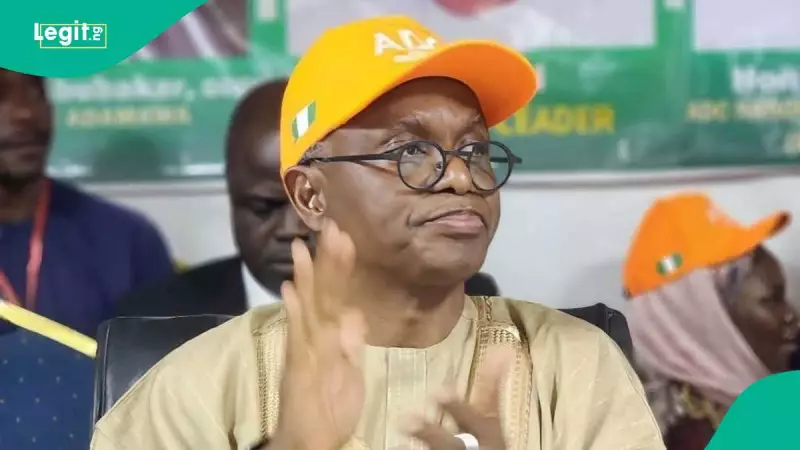
Former Kaduna State governor Nasir El-Rufai has delivered a scathing critique of Nigeria's political system, explaining why the country experiences governance without meaningful accountability. In a virtual presentation at the 23rd Annual Trust Dialogue, El-Rufai argued that selective enforcement of corruption laws has created a dangerous imbalance in Nigeria's democratic framework.
Selective Prosecution Undermines Democracy
El-Rufai emphasized that the current approach to corruption prosecution follows a troubling pattern that damages democratic institutions and erodes public trust. The former governor asserted that corruption allegations are pursued aggressively against opposition figures while those aligned with the ruling party face minimal consequences.
"We have governance without accountability," El-Rufai declared. "We conduct elections, create agencies, and announce asset recoveries, but accountability through governance remains selective."
Three-Tier Corruption System Exposed
The former Federal Capital Territory minister outlined what he described as a three-tier system of corruption treatment in Nigeria:
- Dangerous for opposition members who face aggressive prosecution
- Negotiable for fence-sitters considering joining the ruling party
- Invisible for those aligned with power who rarely face allegations
El-Rufai specifically noted that members of the All Progressives Congress (APC) are seldom accused of corruption, suggesting a systemic bias in how allegations are pursued and prosecuted.
Human Rights Violations and Intimidation Tactics
The former governor expressed deep concern about the misuse of state power, warning that arbitrary arrests and prolonged detentions have become tools of intimidation rather than instruments of justice. El-Rufai condemned the continued unlawful detention of Nigerians, stating that such practices violate fundamental human rights and further erode public confidence in government institutions.
"The law should exist to protect citizens and not to terrify the people," he emphasized during his virtual presentation, which he delivered from abroad on medical grounds.
Call for Judicial and Electoral Reforms
El-Rufai advocated for comprehensive reforms to strengthen Nigeria's democratic foundations. His recommendations included:
- Judicial reforms to ensure fair and impartial justice delivery
- Establishment of an independent electoral commission
- Credible election processes that reflect the will of the people
- Accountability mechanisms that apply equally to all citizens
The former governor's comments come as he emerges as a key figure in political discussions surrounding the 2027 elections, positioning himself as a vocal critic of current governance approaches.
Broader Implications for Nigerian Democracy
El-Rufai's analysis highlights fundamental challenges facing Nigeria's political system. The selective application of corruption laws creates a perception of injustice that weakens democratic institutions and discourages genuine accountability. When citizens perceive that justice depends on political alignment rather than evidence, trust in government institutions deteriorates rapidly.
The former governor's warning about governance without accountability serves as a critical examination of how Nigeria's anti-corruption efforts have evolved, raising important questions about fairness, justice, and the future of democratic governance in Africa's most populous nation.