EU Announces $14 Million Support for Sokoto's Social Protection Framework
The European Union has earmarked a substantial $14 million to bolster social protection systems in Sokoto State, aiming to create more resilient and inclusive mechanisms for identifying and assisting vulnerable families. This financial commitment is part of the EU's Supporting Sustainable Social Protection Systems in Nigeria programme, known as SUSI, which seeks to enhance long-term development outcomes through systemic reforms.
Focus Areas and Collaborative Mission
The funding will concentrate on three critical areas: strengthening social protection policies, improving public budgeting processes, and establishing a comprehensive social registry. This registry is designed to accurately capture data on those most in need, including children and families often excluded from formal support systems. The announcement was made during a three-day joint mission to Sokoto, led by Massimo De Luca, the EU Head of Cooperation to Nigeria, and involving officials from the United Nations and various international development partners.
The delegation included representatives from UNICEF, UNFPA, the International Labour Organisation, and non-governmental organisations such as Plan International Nigeria, Action Against Hunger, CARE, and the Danish Refugee Council. This collaborative effort underscores a shared commitment to working with the Sokoto State government to improve services for children, women, adolescents, and vulnerable households through sustainable system reforms rather than short-term interventions.
Prioritising Vulnerable Groups and System Integration
According to EU officials, the new social registry will prioritise individuals and families who are frequently marginalised, such as those without birth registration or National Identification Numbers, out-of-school children, malnourished households, and families with limited access to primary health care. Massimo De Luca emphasised the importance of investing in systems that protect and empower people, particularly children and young people, stating that the EU remains dedicated to supporting Sokoto State in achieving inclusive development that leaves no one behind.
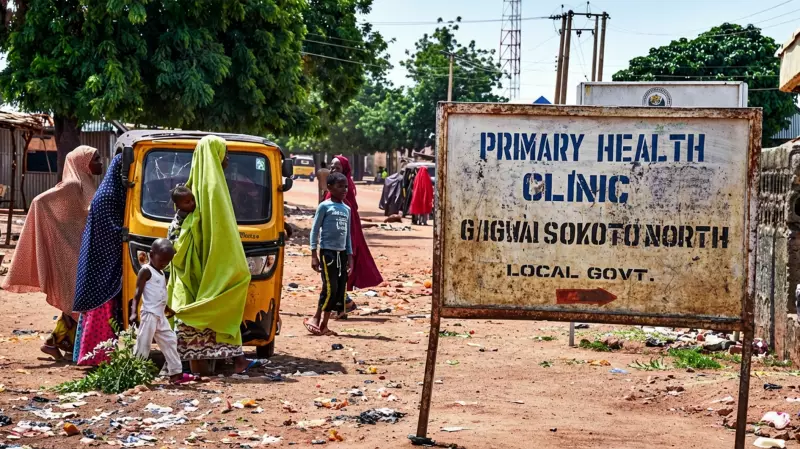
During the visit, the delegation inspected various sites across the state, including schools, primary health care centres, internally displaced persons camps, and community service points. At educational facilities, they reviewed programmes aimed at enhancing safe learning environments, strengthening teacher support, and increasing community participation to expand access to inclusive education for both girls and boys. In health settings, partners assessed initiatives designed to make services more adolescent-friendly and gender-responsive.
Governor's Commitment and New Poverty Measurement Tool
Governor Ahmed Aliyu, who received the delegation, affirmed his administration's dedication to sustaining development gains and delivering essential services in alignment with state priorities and the Federal Government's Renewed Hope Agenda. He highlighted a focus on practical solutions to uplift the people of Sokoto, with continued prioritisation of the well-being of women, children, and vulnerable families through partnerships.
A significant development during the mission was the presentation of a new tool designed to measure multiple dimensions of poverty. This tool will be integrated into Nigeria's National Social Register to improve targeting accuracy, reduce exclusion errors, and ensure that limited resources are directed to the households that need them most. Rownak Khan, UNICEF Deputy Representative for Programme, noted that EU-supported interventions in Sokoto are centred on education, primary health care, and adolescent services, aiming to help families withstand shocks through social protection so that children can not only survive but thrive.
Future Collaboration and Pledge
The mission concluded with a joint pledge by the EU, UN agencies, and partner organisations to deepen collaboration with the Sokoto State government in advancing social protection reforms and promoting inclusive development. This commitment reflects a broader effort to build stronger, more equitable systems that can effectively support vulnerable populations in the region.