Former Buhari Minister Stirs Controversy with Sharia Law Pledge for Oyo State
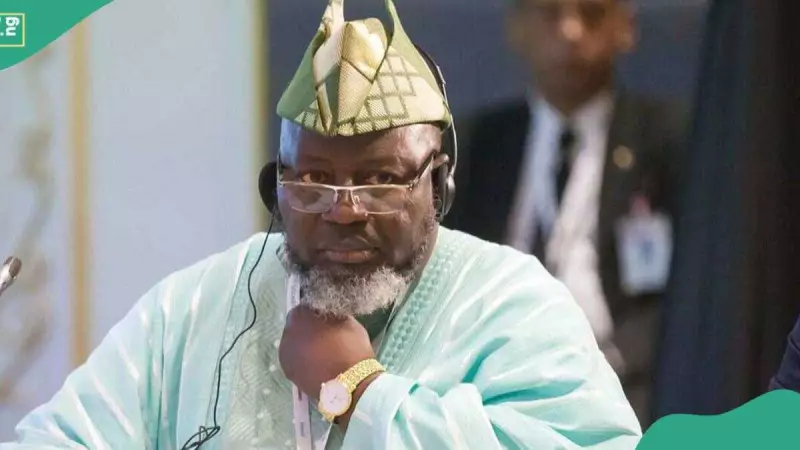
Adebayo Shittu, who served as Minister of Communications under the late President Muhammadu Buhari, has ignited a significant national debate by declaring his willingness to introduce Sharia Law in Oyo state if the populace demands it. The former minister made these remarks during an appearance on the trending social media podcast "Naija Unfiltered," where he addressed growing calls from certain stakeholders for the implementation of Sharia in Nigeria's southwest region.
Constitutional Basis and Personal Stance
When questioned about how the institutionalization of Sharia might negatively impact him as a Christian, Shittu pointed to constitutional provisions that permit its establishment upon request. "If the people ask for it. Even the constitution says it should be established whenever it is demanded. It is open because the constitution allows it. I don’t run away from battles," he stated emphatically. This position references Nigeria's legal framework, which allows for Sharia courts in personal law matters for Muslims who voluntarily choose them, while excluding non-Muslims from such jurisdiction.
Public Reactions and Concerns
The minister's comments have triggered widespread reactions across Nigeria, with many expressing alarm about potential implications for religious harmony and human rights. Critics have drawn parallels to the Hisbah police in northern states, where enforcement of Sharia has sometimes led to accusations of rights infringements. Social media platforms have become arenas for heated discussions, with some users condemning Shittu's stance as divisive.
Ahmed Ololu clarified the constitutional limitations, noting that "No governor can 'impose full Sharia law' in Oyo or anywhere in Nigeria. The Constitution only allows voluntary Sharia for personal law matters, and only for Muslims who choose it." Meanwhile, Sunday Clement urged southwestern residents to "condemn people like this at all costs, expose them, campaign against their extremist ideology," suggesting external influences might be promoting disunity.
Broader Political Context
This controversy emerges amidst Shittu's previous criticisms of President Bola Tinubu's ministerial appointments, though he made exceptions for certain individuals like former Trade Minister Jumoke Oduwole. The debate touches on fundamental questions about Nigeria's secular identity, the balance between religious freedom and state governance, and the practical implications of implementing religious laws in diverse communities.
As Nigeria continues to navigate complex religious and ethnic dynamics, Shittu's pledge has highlighted ongoing tensions between constitutional provisions, popular demand, and the preservation of national unity. The discussion extends beyond Oyo state to encompass broader concerns about how religious laws intersect with democratic governance in Africa's most populous nation.