Rivers Political Crisis Escalates as Governor Fubara Labels Wike Ungrateful
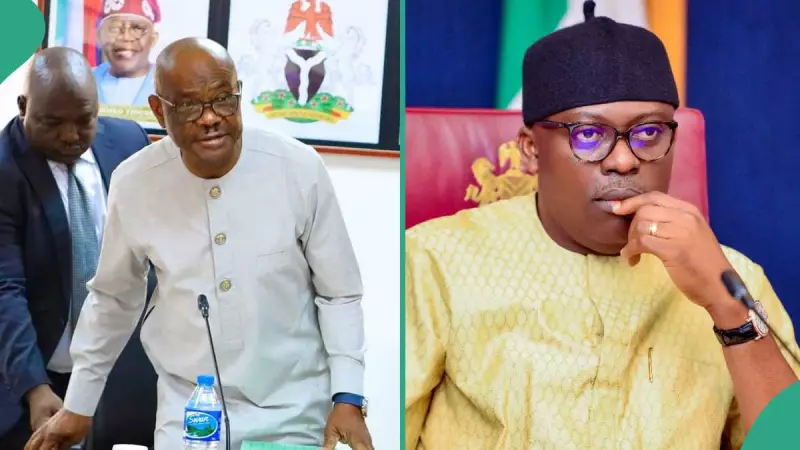
In a dramatic turn of events, Governor Siminalayi Fubara of Rivers State has openly criticized his predecessor, Nyesom Wike, describing him as ungrateful. This statement marks a significant escalation in the ongoing political crisis within the state, revealing deep-seated tensions that threaten to destabilize governance and public administration.
Background of the Feud
The political landscape in Rivers State has been fraught with conflict, stemming from disagreements over leadership styles, policy directions, and personal allegiances. Governor Fubara, who succeeded Wike, has faced challenges in consolidating his administration amidst lingering influences from the previous regime. The recent comments by Fubara suggest that gratitude and loyalty have become central issues in this power struggle, with implications for the state's development and political stability.
Implications for Governance
This public fallout between Fubara and Wike could have far-reaching consequences for Rivers State. Political analysts warn that such rifts may lead to:
- Disruption of governance: Ongoing projects and policies might be stalled or reversed due to the conflict.
- Public perception: Citizens may lose confidence in the state's leadership, affecting social cohesion.
- Economic impact: Investors could be deterred by the instability, potentially harming the state's economy.
Moreover, the crisis highlights broader issues in Nigerian politics, where transitions of power often lead to conflicts between incumbents and their predecessors.
Reactions and Future Outlook
While Wike has not yet responded publicly to Fubara's remarks, political observers anticipate that this could trigger a series of retaliatory actions, further complicating the situation. The crisis underscores the need for dialogue and reconciliation to prevent long-term damage to Rivers State's political fabric. As the situation unfolds, stakeholders are calling for calm and a focus on the state's welfare over personal grievances.
This development serves as a reminder of the volatile nature of political relationships in Nigeria, where alliances can quickly turn into rivalries, impacting governance at all levels.