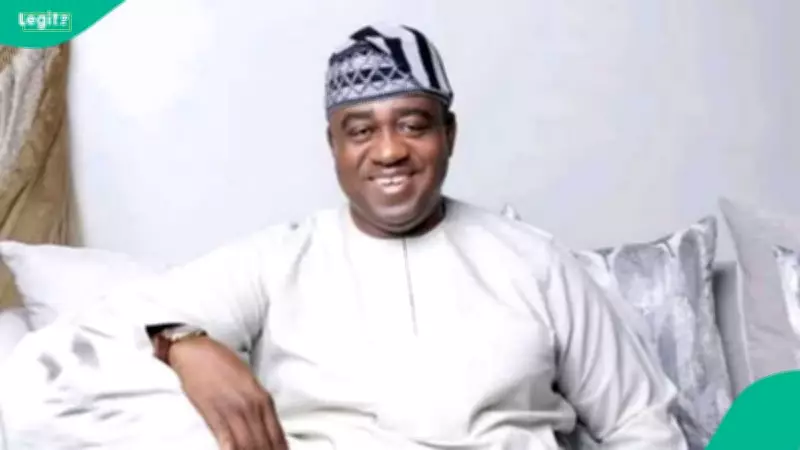
Former Benue Governor Gabriel Suswam Resigns from PDP and Joins APC
In a significant political development, Gabriel Suswam, the former Governor of Benue State and ex-Senator, has announced his resignation from the Peoples Democratic Party (PDP). His decision, formalized in a letter dated February 4, 2026, was driven by what he described as unresolved internal conflicts and a lack of cohesion within the opposition party. This move marks a notable shift in Nigeria's political landscape, particularly as it comes ahead of the 2027 general elections.
Resignation Letter Details and Public Announcement
Suswam's resignation was conveyed in a letter addressed to the Chairman of the PDP in Mbagber Council Ward, Logo Local Government Area of Benue State. The letter was later shared publicly on social media by his Chief of Staff, Moses Ukeyima, sparking widespread debate and analysis. In the document, Suswam expressed gratitude for the opportunities the PDP provided him over decades, including serving as a Member of the House of Representatives, Governor of Benue State, and Senator of the Federal Republic of Nigeria.
He stated, "I write to formally resign my membership of the Peoples Democratic Party (PDP), with effect from the date of this letter. This decision has not been taken lightly." He emphasized that his departure was a result of deep-seated issues within the party that have persisted without resolution.
Citing Internal Crises and Lack of Cohesion
Suswam highlighted that the PDP, once a symbol of internal democracy and unity, has become plagued by persistent disputes. He pointed to conflicts spanning leadership, structure, discipline, and ideological direction, which have been allowed to fester without a credible pathway to resolution. Despite repeated reconciliation efforts, the party remains locked in a cycle of crisis, undermining its stability and effectiveness.
He explained, "I believe that political parties must serve as platforms for ideas, discipline, and constructive engagement, not arenas of endless internal warfare. Regrettably, the current state of affairs within the PDP no longer aligns with these ideals." This sentiment reflects his conviction that meaningful contribution to nation-building requires a stable political environment.
Joining the All Progressives Congress (APC)
Following his resignation from the PDP, Suswam has officially joined the ruling All Progressives Congress (APC). This transition is seen as a strategic move that could influence political dynamics in Benue State and beyond. It aligns with a broader trend of defections from the PDP to the APC, as evidenced by recent exits of influential northern senators ahead of the 2027 elections.
The PDP leadership has yet to issue an official response to Suswam's resignation and defection, leaving room for speculation about the party's future strategies. This development adds to the challenges facing the opposition, which is grappling with internal divisions and a need for revitalization.
Implications for Nigerian Politics
Suswam's move underscores the ongoing realignment of political forces in Nigeria, particularly as parties prepare for the 2027 general elections. Key implications include:
- Strengthening of APC: The defection of a high-profile figure like Suswam could bolster the APC's influence in Benue State and other regions.
- Deepening PDP Crisis: This exit highlights the persistent internal conflicts within the PDP, potentially leading to further defections and weakening its opposition role.
- Impact on Electoral Dynamics: Such shifts may reshape voter alignments and campaign strategies in the lead-up to future elections.
In conclusion, Gabriel Suswam's resignation from the PDP and subsequent joining of the APC represent a pivotal moment in Nigerian politics. It reflects broader issues of party cohesion and stability, with significant ramifications for the political landscape as the country approaches the 2027 elections.