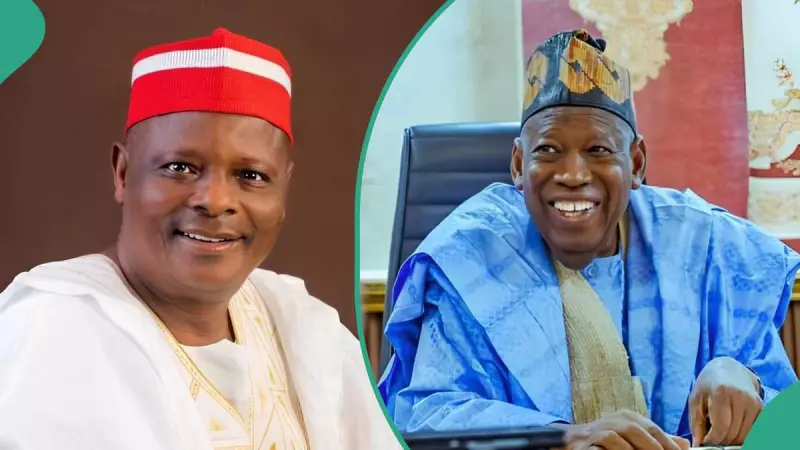
Ganduje Signals Readiness for Political Reconciliation with Kwankwaso
In a significant development within Nigeria's political landscape, former Kano State Governor and ex-National Chairman of the All Progressives Congress (APC), Abdullahi Umar Ganduje, has publicly declared his openness to reconciling with his longstanding political rival, Senator Rabiu Musa Kwankwaso. During an exclusive interview with BBC Hausa, Ganduje emphasized that their differences could potentially be resolved in the future, highlighting shared religious beliefs and historical collaboration as foundations for renewed understanding.
Religious and Familial Bonds as Basis for Reconciliation
Ganduje articulated that as fellow Muslims, reconciliation remains a fundamental principle that could guide their political relationship moving forward. He stated, "In the future, we hope to settle our differences with Kwankwaso and work together. We have worked together before, we are family." This sentiment reflects a broader narrative of political brotherhood that transcends current rivalries, suggesting that past collaborations could serve as a template for future cooperation.
The former APC chairman further elaborated, "We as Muslims, we have hope that we can reconcile with him. It is politics, we are brothers. I am hopeful we can settle in the future." These remarks indicate a deliberate shift toward diplomatic engagement after years of intense political competition between the two influential figures from Kano State.
APC's Full Support for Governor Abba Yusuf's Defection
In another crucial development, Ganduje expressed strong endorsement for Governor Abba Kabir Yusuf's recent decision to defect from the New Nigeria Peoples Party (NNPP) to the APC. The governor officially rejoined the ruling party on Monday, January 26, 2026, following his resignation from NNPP just days earlier. Ganduje confirmed that the APC has formally recognized Governor Yusuf as the party leader in Kano State, in accordance with established party structures that designate sitting governors as state leaders.
Collective Responsibility for Kano's Progress
Ganduje emphasized that the success of Governor Yusuf's administration has become a collective priority for APC leaders in Kano. He articulated a philosophy of shared responsibility, stating, "The progress of Kano is now the main ambition, and we cannot allow Abba to fail because if he fails, we all fail. We must assist him to succeed. We cannot let him fail." This unified approach signals the party's commitment to supporting the governor's governance agenda and ensuring political stability in the state.
Regarding internal party arrangements following the governor's defection, Ganduje clarified that the APC would manage position-sharing through established internal processes. He noted that the current party leadership structure in Kano remains temporary pending the conduct of formal congresses, after which comprehensive reviews and adjustments would be implemented.
APC Traditions and the 2027 Governorship Race
Addressing questions about the upcoming 2027 governorship election, Ganduje explained important party traditions that could influence the political landscape. He revealed that APC tradition, though not constitutional, gives priority to sitting governors seeking second terms, similar to presidential conventions within the party.
Governor Yusuf's Potential Candidacy
According to Ganduje, if Governor Abba Yusuf expresses interest in contesting for another four-year term, the party would first consider his candidacy before exploring other options. This clarification provides important insights into the APC's internal mechanisms for candidate selection and highlights the strategic advantage that incumbent governors typically enjoy within the party's framework.
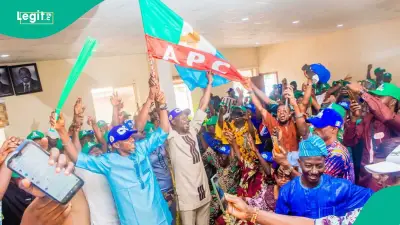
The former APC chairman made these declarations during the official reception ceremony held at Kano State Government House, where he formally welcomed Governor Yusuf and his supporters into the APC fold. He described this development as a major boost for the ruling party's presence and influence in Kano State.
Political Context and Reactions
This reconciliation overture comes against the backdrop of Senator Kwankwaso's recent expressions of disappointment regarding Governor Yusuf's defection. The NNPP national leader had characterized the move as a "bitter betrayal" with potential political consequences, highlighting the complex dynamics at play within Kano's political sphere.
Meanwhile, Governor Yusuf has issued directives to his supporters, warning against any form of insults or attacks directed at Senator Kwankwaso. This demonstrates an effort to maintain political decorum and discipline amidst evolving alliances and realignments.
The political landscape in Kano continues to evolve as these developments unfold, with implications for future electoral contests and governance approaches. The emphasis on reconciliation, party traditions, and collective success reflects broader themes in Nigerian politics where personal rivalries often intersect with institutional frameworks and governance priorities.