Major Political Resignations Rock Nigeria Ahead of 2027 Elections
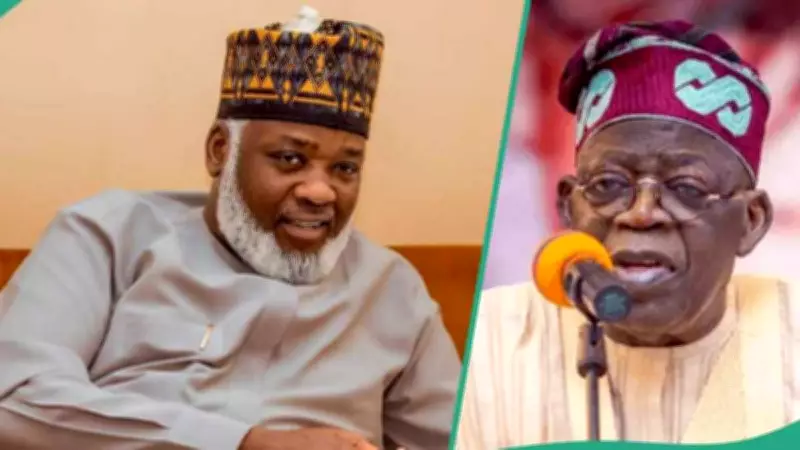
In a significant political development ahead of Nigeria's 2027 general elections, two prominent figures from Kano State have resigned from their respective positions, signaling a major realignment in the country's political landscape. Nasiru Gawuna, the former All Progressives Congress (APC) governorship candidate in Kano, has stepped down as chairman of the Federal Mortgage Bank of Nigeria (FMBN) Governing Board in Abuja. Simultaneously, Senator Rabiu Musa Kwankwaso has resigned from the New Nigeria People's Party (NNPP), with both politicians preparing to join the African Democratic Congress (ADC).
Gawuna's Resignation from Federal Mortgage Bank
Nasiru Gawuna submitted his resignation letter dated Friday, March 27, 2026, stating that his decision takes immediate effect. In his correspondence, Gawuna explained that his resignation aligns with President Bola Tinubu's directive requiring all political appointees to step down in accordance with the provisions of the Electoral Act ahead of forthcoming political activities. The former Kano APC gubernatorial candidate expressed profound gratitude to President Tinubu for the opportunity to serve, describing his tenure as a privilege to contribute to the growth and development of the Federal Mortgage Bank of Nigeria and the country at large.
Gawuna emphasized: "My resignation is in strict compliance with the President's directive requiring all political appointees to step down in accordance with the provisions of the Electoral Act." He further stated that he is placing his future "in the hands of Allah" as he seeks divine guidance on his next political steps, while assuring a smooth transition of responsibilities following established procedures and directives.
Kwankwaso's Departure from NNPP
On Sunday, March 29, 2026, Senator Rabiu Musa Kwankwaso formally resigned from the New Nigeria People's Party (NNPP), where he had been the 2023 presidential candidate. The 69-year-old politician explained that his decision to leave the party was driven by the need for a fresh political alignment in Nigeria. Kwankwaso stated that the current political climate in the country left him with no other choice but to seek a platform that offers an opportunity to change Nigeria's trajectory.
Kwankwaso acknowledged that the decision to quit was not an easy one and expressed gratitude to the NNPP for the opportunity to serve. His resignation follows the directive from his Kwankwasiyya Movement, which on Saturday, March 28, instructed its members to join the African Democratic Congress. Habibu Sale Mohammed, spokesperson of the Movement, confirmed that Kwankwaso has concluded plans to join the coalition seeking to unseat President Bola Tinubu in the 2027 elections.
Political Realignment and Alliance Discussions
The political moves come amid discussions about potential alliances ahead of the 2027 elections. The Kwankwaso Support Group 2027 has proposed a joint presidential ticket pairing former Anambra Governor Peter Obi with Senator Kwankwaso. Speaking in Kano, the group's leader Abba Gwale appealed to Nigerians to support what he described as an Obi-Kwankwaso alliance, characterizing it as a chance to rescue the nation from its current challenges.
Both Gawuna and Kwankwaso have emphasized their commitment to strengthening democracy in Africa's most populous nation through these political transitions. Their resignations and subsequent moves to the ADC represent significant shifts in Nigeria's political dynamics as parties begin positioning themselves for the 2027 electoral contest.
The developments highlight the ongoing realignment within Nigeria's opposition political space, with the ADC emerging as a potential platform for various political figures seeking to challenge the ruling APC in the upcoming elections. These resignations mark the beginning of what promises to be an intense political season leading up to Nigeria's 2027 general elections.