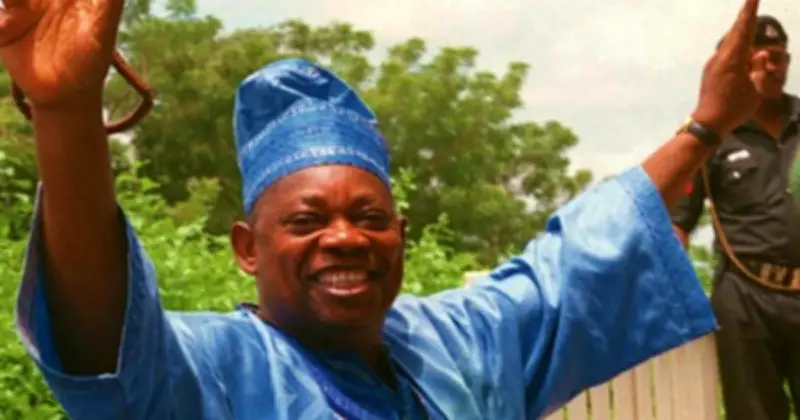
On June 12, 1993, millions of Nigerians voted in what is widely regarded as the freest and fairest election in the country's history. The contest was between business mogul and philanthropist Chief Moshood Kashimawo Olawale (MKO) Abiola of the Social Democratic Party (SDP) and Bashir Tofa of the National Republican Convention (NRC). Early results showed Abiola heading for a decisive victory, winning support across ethnic, religious, and regional lines. However, before the final results could be officially announced, the military government of General Ibrahim Babangida annulled the election on June 23, 1993, citing concerns that many Nigerians and observers found unconvincing.
The decision plunged the country into political turmoil. Protests erupted across major cities, civil society groups mobilized, labour unions embarked on actions, and pro-democracy activists intensified demands for the restoration of Abiola's mandate. What began as an electoral dispute soon evolved into one of the most significant democracy struggles in Nigeria's history. Abiola would later declare himself president, be arrested by the military regime, and spend years in detention. His wife, Kudirat Abiola, became one of the leading voices of resistance before her assassination in 1996. The struggle continued until the death of both Abiola and military ruler Sani Abacha in 1998, paving the way for Nigeria's eventual return to democratic rule in 1999.
10 Lesser-Known Facts About MKO Abiola and the June 12 Struggle
1. Abiola won across religious and ethnic lines
One of the most remarkable aspects of the June 12 election was that Abiola's support cut across Nigeria's traditional ethnic and religious divisions. A Muslim from the South-West, Abiola defeated his opponent, Bashir Tofa, in several northern states, including Kano, demonstrating a level of national acceptance that was rare in Nigerian politics. Many historians still cite the election as one of the few moments Nigerians voted largely based on competence and vision rather than ethnic or religious considerations.
2. The election was conducted using the Option A4 system
Unlike modern elections that rely on ballot papers, the June 12 election was conducted using the "Option A4" voting system introduced by the military government. Voters queued openly behind the photographs or symbols of their preferred candidates, making vote counting easier and reducing ballot manipulation. The system remains one of the most debated electoral innovations in Nigeria's history.
3. Abiola was not immediately declared president-elect
Although election results from across the country clearly showed Abiola in the lead, the military government halted the announcement of the final results before the process could be completed.
4. June 12 sparked one of Nigeria's largest pro-democracy movements
The annulment triggered widespread protests, civil disobedience, labour actions, and international condemnation. Civil society groups, student unions, journalists, labour leaders, and pro-democracy activists mobilized across the country to demand that Abiola's mandate be restored. The struggle would continue for years and ultimately contribute to the end of military rule.
5. Abiola declared himself president
On June 11, 1994, nearly a year after the annulment, Abiola made a dramatic declaration in Lagos, proclaiming himself the rightful president of Nigeria based on the June 12 mandate. The declaration intensified tensions between him and the military government.
6. He was arrested shortly after his declaration
Following his declaration, Abiola was arrested and charged with treason by the military regime of General Sani Abacha. He spent years in detention while refusing to renounce his claim to the June 12 mandate. His imprisonment became a rallying point for democracy activists both within and outside Nigeria.
7. Kudirat Abiola became a symbol of resistance
While MKO Abiola was in detention, his wife, Kudirat Abiola, emerged as one of the most prominent voices demanding his release and the restoration of democracy. She organized campaigns, granted interviews, and challenged the military government at great personal risk. Her assassination in Lagos in 1996 shocked the nation and turned her into a lasting symbol of democratic resistance.
8. Abiola died in custody
MKO Abiola died on July 7, 1998, while still in detention. His death came just weeks after the death of General Sani Abacha and at a time when discussions about his possible release were underway. The circumstances surrounding his death remain a subject of debate decades later.
9. June 12 was not always Democracy Day
For many years, Nigeria celebrated Democracy Day on May 29, the date military rule officially ended in 1999. It was not until 2018 that the federal government officially moved Democracy Day to June 12 in recognition of the significance of the 1993 election and Abiola's role in Nigeria's democratic journey.
10. Abiola received national recognition decades after his death
Twenty years after his death, Abiola was posthumously awarded the Grand Commander of the Federal Republic (GCFR), a title traditionally reserved for Nigerian presidents. The honor was widely seen as an official acknowledgement that he won the June 12 election and deserved recognition for his contribution to democracy.
Why June 12 Still Matters
More than three decades after the election, June 12 remains more than a historical event. It represents the sacrifices made by countless Nigerians who fought for democratic governance, free elections, and civilian rule. For many, the story of MKO Abiola is not simply about a politician whose victory was annulled. It is about a national struggle that helped shape modern Nigeria and serves as a reminder that democracy often comes at a significant cost.