Kaduna Cleric Denies DSS Arrest Allegations Made by Peter Obi
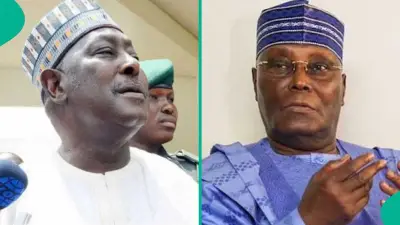
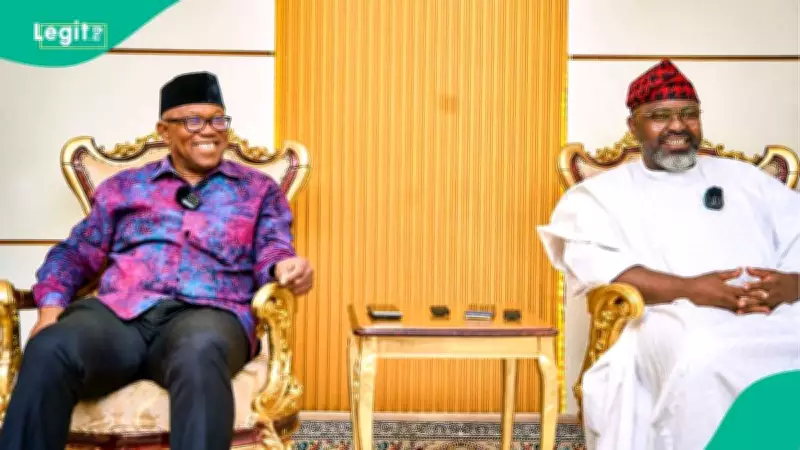
A significant political development has emerged from Kaduna State, where Islamic cleric Ahmad Umar has publicly denied claims by former Labour Party presidential candidate Peter Obi that he was arrested and detained by the Department of State Services (DSS). The controversy began when Peter Obi issued a statement on Tuesday, March 24, 2026, alleging that Umar had been taken into custody shortly after hosting him at his residence in Kaduna on Sunday, March 22.
Umar's Viral Video Clarification
In a viral video released hours after Peter Obi's allegations, Ahmad Umar, who is also a chieftain of the African Democratic Congress (ADC), provided a detailed account of what actually transpired. The cleric insisted that he was never arrested or maltreated by the secret police. Instead, he clarified that he was merely invited for questioning by the DSS and had been released promptly afterward.
Umar described Peter Obi's claims as a troubling signal for democracy in Nigeria, warning that such allegations could contribute to sustained threats against freedom of speech and political expression. His video statement has directly contradicted the narrative put forward by the former presidential candidate, creating a complex political scenario.
Mixed Reactions from Nigerians
The cleric's clarification has generated widespread mixed reactions across Nigeria, particularly on social media platforms. Many Nigerians have expressed skepticism about the situation, with some suggesting that Umar appeared to be under pressure in his video statement. Others have questioned the timing of this development, noting that it coincides with early political permutations for the 2027 general elections.
One social media user, identified as Winsome, commented: "All they are trying to do with this video is to push the narrative that Peter Obi spread the news that he was arrested instead of saying he was invited. We all know that in Nigeria, a DSS invitation will always equal arrest if you don't dance to their tune. From this video, you can see clearly that the man is dancing to their tune."
Another user, Ayomipo, criticized Peter Obi directly: "Normally, Mr Obi always gives lamba. I have never seen anyone who delights in unverified news, sad news and negative PR for Nigeria like him. He and his minions will do anything within their reach to de-market their country to get cheap scores."
Political Implications and Context
This controversy emerges against the backdrop of Nigeria's evolving political landscape as various factions begin positioning themselves for the 2027 elections. Peter Obi's initial statement condemned what he described as an arrest, framing it as an attack on democratic principles and freedom of association. The Labour Party candidate has been vocal about governance issues since his 2023 presidential campaign.
Ahmad Umar's dual role as both an Islamic cleric and ADC chieftain adds another layer to this political drama. His denial of the arrest claims has created a direct contradiction with one of Nigeria's most prominent opposition figures. Some commentators have suggested that this incident reflects broader tensions between political actors and security agencies in the country.
Additional reactions from social media users highlighted the nuanced interpretations of the situation. Amandy Obasi noted: "One thing is that you were invited for questioning, you cooperated with them fully and were released. '...and was released' but not arrested in the first place. It's ok, you're welcome, Sir." Meanwhile, IamGod'ssignature questioned: "Why would he be arrested for questioning in the first place? There is no difference between what he said and what Obi said. Arrest was made, he stayed there for some hours, even minutes.... detention."
The controversy continues to unfold as Nigerians await further developments. Both Peter Obi and Ahmad Umar have significant followings, ensuring that this story will remain in the public discourse for the foreseeable future. The incident raises important questions about the relationship between political figures, religious leaders, and security agencies in Nigeria's democracy.