2026 Political Crisis: Nigerian Politicians Face Impeachment Threats
As Nigeria approaches the 2026 political season, impeachment threats have emerged as a significant concern for several high-profile politicians across the country. The constitutional mechanism for removing public officials is being invoked amid intense political rivalries, particularly in Kano and Rivers States, where deputy governors and governors find themselves at the center of removal proceedings.
Kano Deputy Governor in Political Crosshairs
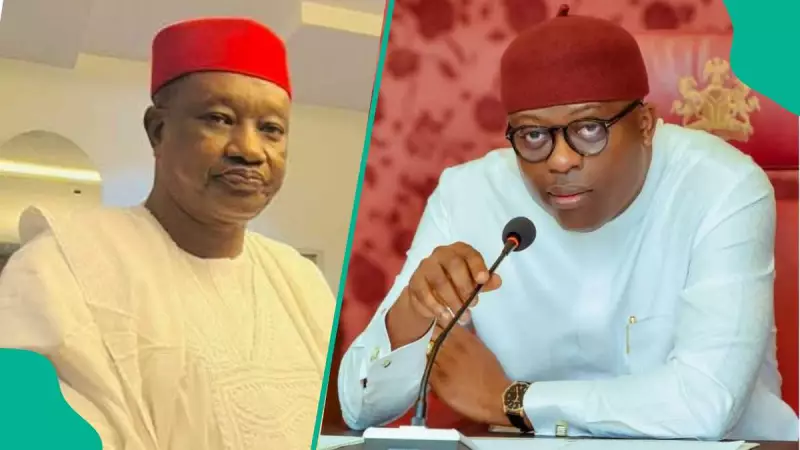
In Kano State, Deputy Governor Aminu Gwarzo faces mounting pressure as political tensions escalate within the state's leadership. According to sources close to Governor Abba Yusuf's administration, loyal lawmakers in the Kano State House of Assembly are being mobilized to initiate impeachment proceedings against Gwarzo. The deputy governor's continued allegiance to Rabiu Musa Kwankwaso, national leader of the New Nigeria People's Party (NNPP), has reportedly created friction with the current administration.
A senior aide to Governor Yusuf, speaking anonymously, revealed that initial plans to remove the governor and install his deputy collapsed when it became apparent that most lawmakers had already pledged loyalty to Governor Yusuf. Now, a counter-strategy is reportedly being considered that would utilize the same bloc of lawmakers to impeach Deputy Governor Gwarzo once defection processes are officially concluded. This political maneuvering highlights the complex dynamics at play in Nigeria's northern political landscape.
Rivers State: Governor and Deputy Face Dual Threats
Meanwhile, in Rivers State, both Governor Siminalayi Fubara and Deputy Governor Professor Ngozi Odu are confronting simultaneous impeachment threats. The Rivers State House of Assembly has initiated formal proceedings against Governor Fubara, with lawmakers citing gross misconduct charges signed by 26 members of the house. The political feud between Fubara and former Rivers State governor Nyesom Wike, now Federal Capital Territory Minister, has intensified these removal efforts.
The assembly has also moved against Deputy Governor Odu, requesting Rivers State Chief Judge Justice Simeon Amadi to establish a seven-member panel to investigate allegations of gross misconduct. Although Justice Amadi declined to set up judicial panels for both officials, citing a court order, political analysts warn that neither Fubara nor Odu is entirely safe from removal attempts as political tensions continue to simmer.
Presidential Intervention and Political Implications
The escalating political crises have drawn attention from the highest levels of government. President Bola Tinubu has reportedly stepped into the ongoing feud between Fubara and Wike, summoning the FCT minister for discussions about the Rivers State crisis. This presidential intervention underscores the national significance of these impeachment threats and their potential impact on Nigeria's political stability.
These developments occur against a backdrop of broader political realignments across Nigeria. In Kano, the situation reflects ongoing tensions within the NNPP and between different political factions, while in Rivers State, the impeachment threats represent the latest chapter in a long-standing political rivalry that has significant implications for governance in the oil-rich state.
As Nigeria moves toward the 2026 political season, these impeachment proceedings serve as a reminder of the constitutional checks and balances that govern political leadership transitions. While such processes are common in democracies worldwide, their timing and political context in Nigeria's current landscape warrant close observation by political analysts and citizens alike.