Kano Deputy Governor Pressured to Resign Following Political Rift with Governor
In a significant political development in Kano State, the Commissioner for Information and Internal Affairs, Ibrahim Waiya, has publicly called for the immediate resignation of Deputy Governor Aminu Abdussalam Gwarzo. This demand comes directly in response to Gwarzo's firm decision not to defect to the All Progressives Congress alongside Governor Abba Kabir Yusuf.
Commissioner Cites Erosion of Trust and Governance Concerns
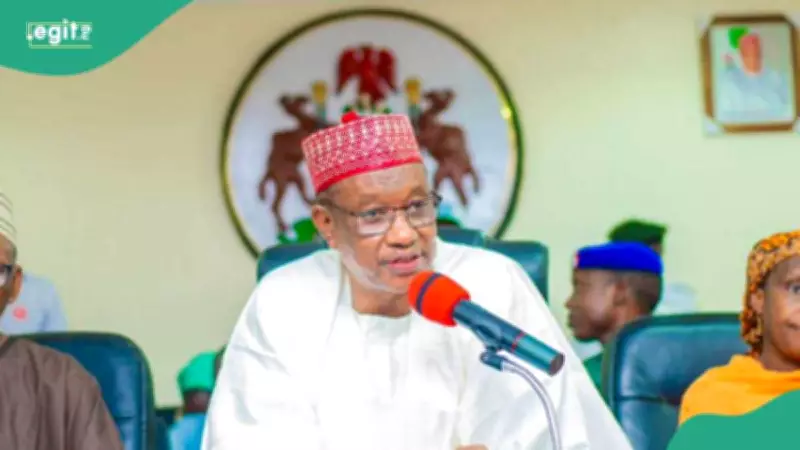
Speaking to journalists in Kano on Thursday, January 29, Commissioner Waiya articulated that the foundation of effective governance has been severely compromised. He emphasized that trust and confidentiality are absolutely central to the functioning of any executive administration. Waiya expressed deep concern that the deputy governor's continued participation in sensitive government meetings now poses a genuine risk to state security and decision-making processes.
"This is his personal decision, but there is no way someone who is no longer with you should be part of the routine council meeting," Waiya stated firmly. "Who knows with whom he might share important government secrets? In government, things are done based on trust, and you can't trust someone who is not with you."
Political Realignment After Governor's Defection to APC
The commissioner's remarks follow Governor Abba Kabir Yusuf's recent political shift from the New Nigerian Peoples Party to the ruling All Progressives Congress. This move was accompanied by several state and federal lawmakers from Kano, signaling a major realignment in the state's political landscape. Waiya defended the governor's defection as a strategic decision intended to position Kano State more favorably to access federal programs, development initiatives, and crucial support from the central government.
He argued that closer cooperation with the Federal Government would ultimately translate into tangible benefits and improved services for the residents of Kano. However, this shift has created an obvious and growing divide within the state's executive branch, sparking intense debate about the future of officials who chose not to follow the governor's political path.
Call for a Dignified Exit Based on Principle
Commissioner Waiya framed his demand for resignation not as a punitive measure, but as a matter of principle and dignified conduct. He suggested that stepping aside would be the most honorable course of action for Deputy Governor Gwarzo under the current circumstances of political misalignment.
"If I were him, I would humbly resign," Waiya stated, positioning the act as one of integrity rather than defeat. He maintained that political loyalty is not merely symbolic but is fundamentally essential to how sensitive policies and critical state matters are handled within the executive framework. The absence of shared political ground, according to the commissioner, inherently weakens the cohesion and operational effectiveness of the government.
Broader Context of Kano's Political Dynamics
This incident occurs against a backdrop of ongoing political tension in Kano State, including the unresolved emirate dispute. Commissioner Waiya addressed these broader concerns, asserting that the administration remains committed to dialogue, adherence to the rule of law, and the maintenance of peace. He emphasized that the government's primary focus is ensuring that political differences do not disrupt governance or undermine the collective interests of Kano's citizens.
The call for the deputy governor's resignation highlights the intense pressures and expectations of party alignment within Nigeria's political system. It underscores how shifts in political affiliation at the highest levels can create immediate and profound repercussions for governance structures and working relationships within state administrations.