Kano Governor Abba Yusuf Exits NNPP With 73 Elected Officials
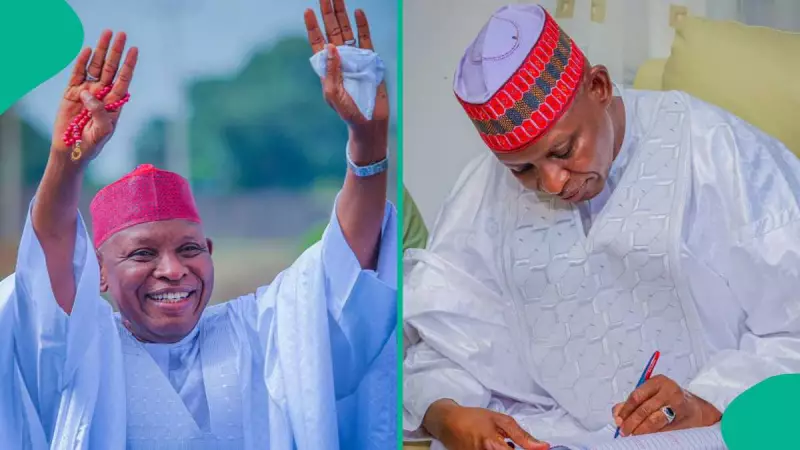
In a significant political development, Governor Abba Kabir Yusuf of Kano State has formally resigned from the New Nigeria Peoples Party (NNPP). This move comes amid deepening political realignment across Nigeria as parties prepare for the crucial 2027 general elections.
Mass Exodus From Ruling Party
According to an official statement released on Friday, January 23, 2026, by Sunusi Bature Dawakin Tofa, the governor's director general and publicity, Governor Yusuf did not resign alone. He was joined by seventy-three elected officials from Kano State who also left the NNPP simultaneously.
The governor cited internal crisis within the party as the primary reason for his departure. This mass resignation represents one of the most substantial political defections in recent Nigerian history and signals potential realignment in the country's political landscape.
Breakdown of Officials Who Resigned
The comprehensive breakdown of elected officials who resigned alongside Governor Yusuf includes:
- 21 members of the Kano State House of Assembly
- 8 members of the Federal House of Representatives from Kano constituencies
- 44 local government chairmen representing all local government areas in Kano State
This means that virtually the entire elected leadership of Kano State under the NNPP banner has now left the party, creating a significant political vacuum and raising questions about the party's future in what has traditionally been one of its strongest strongholds.
Political Implications for 2027 Elections
Political analysts suggest this development could have far-reaching consequences for Nigeria's political landscape. With the 2027 general elections approaching, such mass defections from a ruling party in a key state like Kano could trigger wider political realignments across the country.
The resignation comes at a critical juncture when political parties are beginning to position themselves for the next electoral cycle. Kano State, with its substantial population and political influence, often serves as a bellwether for national political trends in Nigeria.
Observers are now watching closely to see where Governor Yusuf and the seventy-three officials will align themselves politically. Their next move could significantly impact party dynamics and electoral calculations as Nigeria moves toward the 2027 elections.