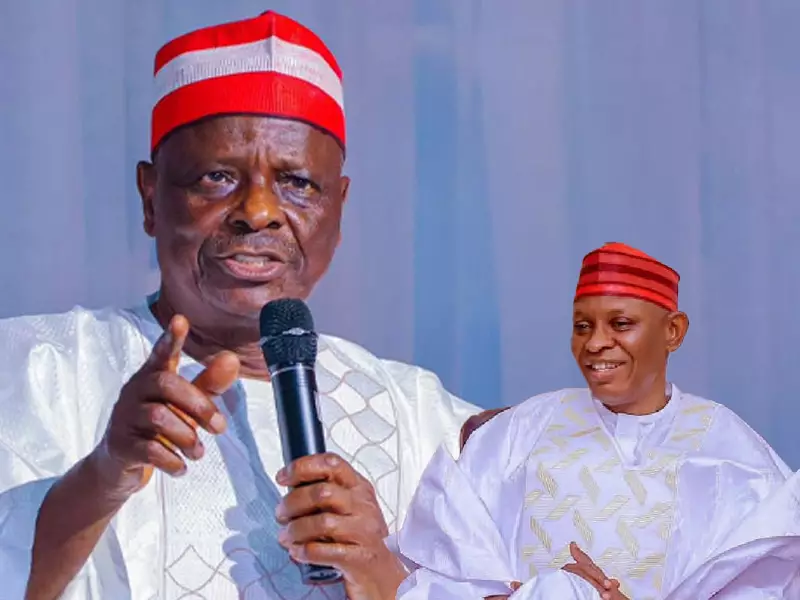
Kwankwaso Foresees Political Regret for Governor Yusuf Following NNPP Departure
Senator Rabiu Musa Kwankwaso, the former presidential candidate and influential leader of the New Nigeria Peoples Party (NNPP), has publicly declared his conviction that Kano State Governor Abba Kabir Yusuf and his close political associates will ultimately come to regret their decision to abandon the NNPP. This strong statement comes in the wake of Governor Yusuf's high-profile defection to the All Progressives Congress (APC), a move that has sent shockwaves through Nigeria's political landscape.
A Shocking Political Realignment
Kwankwaso revealed that the governor's exit from the party left many people bewildered, admitting that he himself initially struggled to accept the reality of the situation. "Many people I spoke to felt it was some kind of arrangement—between him and me, or between him and others. Even I often find it hard to believe that things are unfolding the way they are," Kwankwaso stated during an interview with the BBC. This candid admission underscores the unexpected nature of the political shift, particularly given the historical context of their alliance.
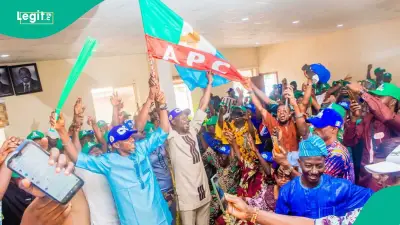
Governor Yusuf formally joined the APC on Monday, January 26, 2026, following his resignation from the NNPP just days earlier on Friday, January 23. This defection occurred less than three years after he secured the Kano governorship election victory under the NNPP banner, a campaign heavily supported by Kwankwaso's political machinery and the Kwankwasiyya movement.
Divergent Narratives on the Defection
At the ceremony marking his transition to the APC, Governor Yusuf explained that his decision was driven by a careful evaluation of Nigerian politics and a desire to align with a pathway he believes will foster development in Kano State. He emphasized that he consulted extensively with political associates and various stakeholders before making this consequential move.
However, Kwankwaso offered a starkly different perspective in his media remarks. He expressed profound disappointment, accusing the governor of "handing over the mandate of the NNPP members and the people of Kano to the Gandujiyya political camp" without what he deemed sufficient justification. "When I lie down, I reflect and ask myself: what really happened? Who was at fault? Was it me? Was it the party? Were party members at fault? But I have not been able to find an answer," Kwankwaso lamented, highlighting his personal struggle to comprehend the governor's motivations.
Disputing Reasons and Defending NNPP Stability
The NNPP leader firmly maintained that the issues cited by Governor Yusuf for leaving the party were matters that could have been effectively addressed through open dialogue and cooperative efforts. He specifically rejected claims of internal crisis within the NNPP, which the governor referenced as a factor in his defection. "I can assure you, to the best of my knowledge, there is no party more peaceful and stable than the NNPP. And if there is any, let them hold their national convention and candidate selection processes, then you will see disputes," Kwankwaso asserted, challenging the narrative of party instability.
Addressing those who have departed the NNPP yet continue to profess loyalty to the Kwankwasiyya ideology, Kwankwaso framed the situation as a clear dichotomy between opposing paths. "Light and darkness have already been defined in Kano. If you want to practice Kwankwasiyya, who asked you to leave Kwankwasiyya? Stay where Kwankwasiyya is and practice it there," he remarked, drawing a sharp line between ideological commitment and political affiliation.
Criticism of APC Welcome and Prediction of Challenges
Kwankwaso also directed criticism at the manner in which former Kano State Governor Abdullahi Umar Ganduje welcomed Yusuf into the APC, suggesting that the public spectacle indicated the governor had already encountered a political setback. "If Ganduje truly had the power to raise someone's hand to victory, he would have done so in 2019. If he had that power, he would have done so in 2023," he pointed out, referencing past electoral contests where Ganduje's influence did not secure victory for his preferred candidates.
Looking ahead, Kwankwaso expressed certainty that Yusuf and his associates will confront significant political hurdles within the APC structure. He insisted that, "even if he does not return, he will regret it," predicting long-term repercussions for the defection. This forecast is rooted in the complex dynamics of Kano politics, where Kwankwaso previously sponsored Yusuf's successful gubernatorial campaign, leading to his defeat of Ganduje's preferred candidate, Nasiru Yusuf Gawuna.
The unfolding scenario underscores the deep fractures within Kano's political arena, with Kwankwaso's remarks signaling ongoing tension and potential realignments as the state navigates this period of transition and ideological contention.