Kwankwaso Voices Disappointment Over ADC Faction Leader's Snub
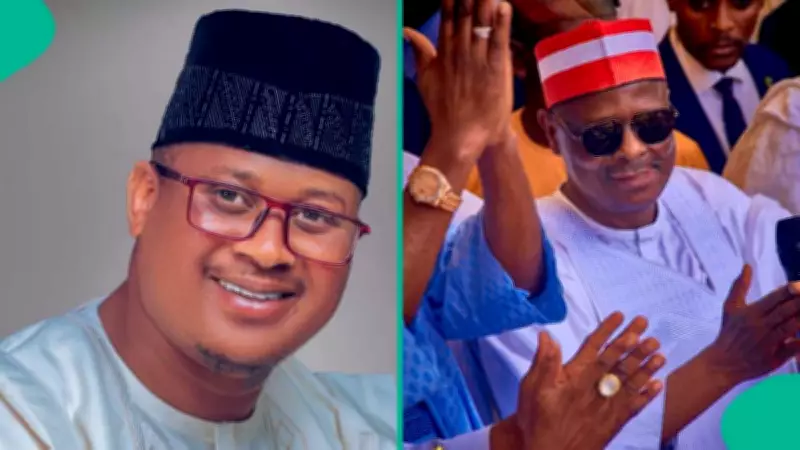
Rabiu Kwankwaso, the 2023 presidential candidate of the New Nigeria Peoples Party (NNPP), who recently switched to the African Democratic Party (ADC), has publicly lamented being ignored by Nafiu Bala, a controversial leader of a faction within the ADC. This incident occurred during Kwankwaso's visit to Gombe state, where he sought to resolve ongoing party disputes amicably.
Background of the ADC Internal Crisis
Since July 2025, the ADC has been embroiled in a severe internal crisis, with two main factions vying for control. One faction is led by Nafiu Bala, while the other is associated with David Mark, the group to which Kwankwaso belongs. The conflict has escalated into legal battles, leading the Independent National Electoral Commission (INEC) to derecognize both factions. This decision was based on a March 12 court of appeal judgment that failed to resolve the leadership dispute conclusively.
Kwankwaso's Attempt at Reconciliation
In a bid to foster peace within the party, Kwankwaso traveled to Gombe state to meet with Bala. However, he reported that Bala did not respond to his calls or show up for the planned meeting. Speaking in Hausa in a viral video, Kwankwaso expressed his frustration, noting that he had researched Bala's background and discovered he was born in 1990. Kwankwaso emphasized that Bala, due to his relative youth, still has much to learn and should be advised by those close to him to respect elders in the political arena.
His statement included: "I was supposed to see Nafiu Bala yesterday till this morning; he never came. Many people told me he would not come." This highlights the breakdown in communication and the deepening rift within the ADC.
Public Reactions to the Incident
The trending video of Kwankwaso's comments has sparked varied reactions from Nigerians on social media. Here are some key responses:
- Phantom drew a historical parallel, stating: "He is already in the pocket of Yoruba politicians, this is Sardauna and Akintola vs Awolowo kind of politics, we had the upper hand then, we have been decimated as a region, very unfortunate."
- Big A.A.S criticized Kwankwaso's approach, suggesting: "None of these opposition politicians has leadership skills. You don't wait for him. If it were Tinubu, he would look for that guy wherever he is and resolve issues with him. But this one here is talking about age. As in na small boy na, make him come see you."
- Toba Truth warned of consequences, saying: "That Nafiu thinks he can play with the hope of the North like Abure did with the Labour Party. The North doesn't forgive or forget, and I know he will somehow pay for this useless distraction. The North is ready for a new Nigeria."
- Aku Amia commented on the importance of trust: "In politics, trust and integrity are vital. Do you think any reasonable, forward-thinking politician would want to associate with people like Lamidi Apapa, Julius Abure, and others after the damage they’ve caused to the Labour Party? This is especially important in the North, where trust and credibility carry significant weight."
Implications for the ADC and Nigerian Politics
This incident underscores the ongoing turmoil within the ADC, which could weaken its position as a viable opposition party in Nigeria. The failure to resolve internal conflicts amicably may lead to further fragmentation and loss of public confidence. As the 2027 elections approach, such disputes highlight the challenges facing political parties in maintaining unity and effective leadership.
The situation also reflects broader issues in Nigerian politics, where age and experience often clash with youthful ambition, and where regional and ethnic loyalties can influence political dynamics. The reactions from the public suggest a growing disillusionment with political leaders who prioritize personal disputes over national interests.
Moving forward, the ADC will need to address these internal divisions promptly to regain credibility and play a meaningful role in the political landscape. The involvement of figures like Kwankwaso, with his extensive experience, could be crucial in mediating these conflicts, but only if all parties are willing to engage constructively.