Minister of State for Defence Reacts to Governor's Political Shift
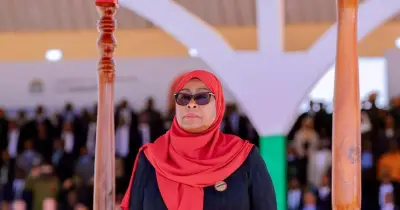
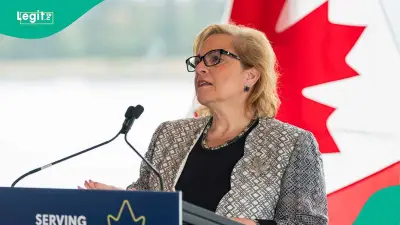
President Bola Tinubu's Minister of State for Defence, Bello Matawalle, has officially welcomed the defection of Governor Dauda Lawal of Zamfara state from the Peoples Democratic Party (PDP) to the All Progressives Congress (APC). In a statement released on Monday, March 9, Matawalle expressed his readiness to collaborate with the governor to advance state development and combat insecurity, particularly in the lead-up to the 2027 general elections.
Historical and Political Context of the Defection
Matawalle, who previously served as governor of Zamfara state, described Lawal's move as a timely and historic event in the political landscape of both the state and Nigeria. He emphasized that this defection represents a reunion with a long-time ally, urging APC members to unite and work collectively for the party's progress. The minister highlighted that this development would strengthen efforts to deliver President Tinubu's Renewed Hope agenda, reinforcing the idea that politics should foster cooperation rather than conflict.
Public and Social Media Reactions
The announcement has sparked varied responses from Nigerians on social media platforms. Some citizens, like Eteobong Edem, expressed optimism that the defection could bring peace and stability to Zamfara, potentially reducing incidents of terrorism and kidnapping. Others, such as Temitope and Oluwafemi, criticized the focus on political maneuvers amidst ongoing security challenges, including recent military losses. Comments also pointed to concerns about resource allocation, with Dan Nigeria noting that funds spent on defections could be better used to address the suffering caused by banditry.

Background and Implications for the 2027 Elections
This defection follows earlier reports that Governor Lawal, the sole PDP governor in the Northwest region, was advised to join the APC after similar moves by other governors. Media aide Imran Muhammad disclosed that Lawal held discussions with his cabinet and PDP leaders, signaling a strategic shift ahead of the next electoral cycle. The move is seen as part of broader political realignments that could impact the APC's strength in northern Nigeria, with implications for voter mobilization and party unity in the coming years.