Dele Momodu Outlines Path to Defeat Tinubu in 2027 Election
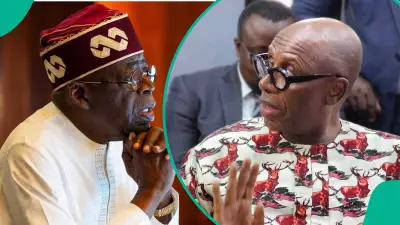
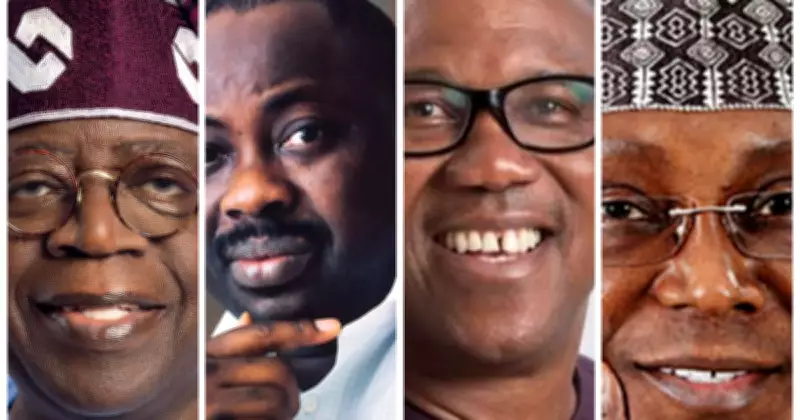
In a candid television interview, veteran journalist and publisher Dele Momodu has declared that President Bola Tinubu's political future could be jeopardized if the opposition presents a unified front in the 2027 presidential election. Momodu specifically pointed to a potential ticket pairing former Vice President Atiku Abubakar with a prominent southern Nigerian leader as the most formidable challenge to the incumbent.
The Proposed Opposition Alliance
During his appearance on Channels Television's Politics Today program, Momodu elaborated on his vision for a successful opposition strategy. He emphasized that a coalition featuring Atiku Abubakar alongside either Peter Obi or Rotimi Amaechi would create a powerful north-south balance that could resonate with voters across Nigeria's diverse regions.
"I believe if we have Atiku with Peter Obi or Amaechi … Tinubu will be gone. It will be the end of Tinubu’s foundation, not the APC," Momodu stated unequivocally.
The publisher highlighted Atiku Abubakar's decades of political experience and preparation, noting that even former critics now acknowledge his persistence. Momodu drew parallels to international politics, referencing how Donald Trump overcame age-related criticisms to secure a second term in the United States, suggesting that political endurance can ultimately prove decisive.
Challenges Facing the Opposition
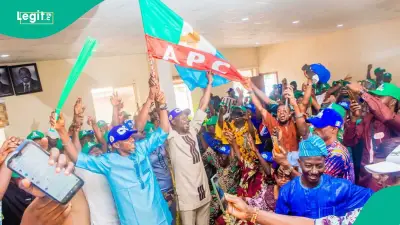
Despite his optimistic outlook for a united opposition, Momodu did not shy away from addressing the significant obstacles facing alternative political movements in Nigeria. He expressed concern about ongoing defections from the main opposition People's Democratic Party (PDP) to the ruling All Progressives Congress (APC), which he believes has substantially weakened viable political alternatives.
"Opposition politics must exist, but Tinubu wants to contest against himself. That doesn’t make sense," Momodu remarked, underscoring the importance of maintaining robust opposition structures in a healthy democracy.
The journalist also acknowledged Nigeria's complex ethnic and religious dynamics, which inevitably influence voter behavior. While a north-south ticket could theoretically appeal across regional divides, Momodu cautioned that strategic planning would be essential to avoid alienating any demographic group.
The Political Landscape Ahead of 2027
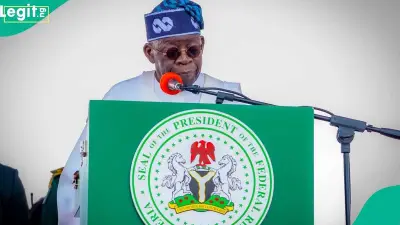
President Bola Tinubu currently leads Africa's most populous nation amid multiple overlapping crises, including Islamist insurgencies in the northeast, widespread kidnappings, persistent herder-farmer conflicts, rampant oil theft, soaring inflation rates, and deepening poverty. These challenges will undoubtedly shape the political discourse leading up to the 2027 election.
In the 2023 presidential election, Tinubu secured victory with 8,794,726 votes, while Atiku Abubakar finished second with 6,984,520 votes and Peter Obi placed third with 6,101,533 votes. Both opposition figures have since transitioned to the African Democratic Congress (ADC), which is positioning itself as the primary opposition platform for the upcoming election cycle.
Momodu suggested that only a coalition with broad national appeal could realistically challenge Tinubu's political grip. He emphasized that the opposition must act decisively and present a united front; otherwise, the 2027 election might simply reinforce the current political status quo.
The Stakes for Nigeria's Democracy
As Nigeria approaches another crucial electoral cycle, the battle for Aso Rock Presidential Villa will dominate national headlines. Tinubu and Vice President Kashim Shettima are expected to receive the APC nomination, but they will face the substantial task of convincing Nigerians that their administration deserves another four-year mandate following controversial reforms like the fuel subsidy removal.
Meanwhile, the ADC's prospects will largely depend on its ability to manage internal dynamics and present a compelling presidential nominee who can unite disparate opposition elements. Momodu's commentary underscores the growing recognition that political realignment and strategic coalition-building may determine the outcome of Nigeria's next presidential contest.