NASS Urged to Fast-Track Constitutional Reform Bills Ahead of 2027 Elections
The Executive Director of the Policy and Legal Advocacy Centre (PLAC), Clement Nwankwo, has issued a pressing call to the National Assembly to expedite the passage of 45 Critical Alteration bills. He warned that premature political maneuvering for the 2027 elections is jeopardizing these essential constitutional reforms. Speaking at a town hall meeting in Abuja on Thursday, Nwankwo expressed deep concern that the National Assembly has already missed its self-imposed December 2025 deadline for the bills.
Political Ambitions Overshadow Legislative Agenda
Nwankwo lamented that political ambitions for the upcoming election cycle are taking precedence over the legislative agenda. "The indication we received at the beginning was that, by December 2025 at the latest, these bills would have been passed," he said. "Unfortunately, I think politics set in far too early. We are almost at the point where politicians are focused on the struggle for power." He urged lawmakers to "step down" the politics to allow the National Assembly and State Houses of Assembly to complete work on the 12 thematic areas of reform before active campaigning begins.
Key Thematic Areas of Reform
The reform areas include:
- Judicial and electoral reforms
- Local government autonomy
- Devolution of powers
Nwankwo highlighted the Special Seats Bill for women as a critical measure to address gender imbalance in the legislature. "You cannot have 469 members of the National Assembly and have under 20 of them only be women. It is unjust, it is unfair, and it is undemocratic. If there is anything short of passing that bill, Nigerians will be terribly disappointed," he insisted.
Executive Responsibility and Civil Society Advocacy
Nwankwo also argued that the burden of reform should not fall solely on the legislature, noting that many proposals are private member bills rather than executive-led initiatives. "The most important responsibility of passing reforms rests with the executive. It is the executive that knows what it has promised Nigerians and what it should implement for the improvement of society," he added. He emphasized that civil society will continue advocating for changes that reflect citizen expectations and democratic practices.
Response from the National Assembly
In response, Deputy Speaker of the House of Representatives, Rt. Honourable Benjamin Kalu, who chairs the House Committee on Constitution Review, assured citizens of the 10th House's commitment to a national rebirth process. He described the constitution as a "living document" that must evolve. "A nation's constitution is not merely a legal document; it is the mirror of its aspirations and the machinery of its progress," Kalu said. He noted that the process remains inclusive and responsive to public will, aimed at strengthening governance and deepening democracy.
State Policing and Safeguards
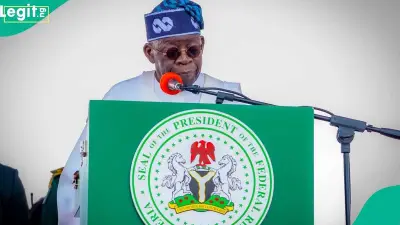
The dialogue also addressed the high-stakes debate over state policing, championed by President Bola Tinubu. Nwankwo emphasized that while state policing is essential for tackling insecurity, the National Assembly must ensure stringent "safeguards for citizens' rights" are included to prevent abuse. As the legislative window narrows, he urged the political class to demonstrate genuine respect for the rule of law beyond legal frameworks.
Overview of the 45 Constitutional Alteration Bills
The bills encompass several key areas:
- Inclusive Governance Bill: Champions special seats to increase women's representation.
- Security and Policing: Covers establishing state policing with safeguards against rights abuse.
- Local Government Autonomy: Ensures fiscal responsibility at the third tier of government.
- Judicial Reform: Aims to strengthen the independence and efficiency of the judiciary.
- Devolution of Powers: Moves specific items from the exclusive to the concurrent list.
With the 2027 elections approaching, the call for urgent action on these reforms grows louder, highlighting the need for political will and collaborative effort to ensure Nigeria's constitutional framework meets contemporary democratic standards.