Nigeria's Current Realities: Examining Economic Hardship and Political Uncertainty
In today's Nigeria, the signs of the times are unmistakably evident across everyday life, from bustling markets and workplaces to government institutions and casual conversations among ordinary citizens. These indicators reflect a nation grappling with profound economic hardship and political uncertainty, despite its rich endowment of human and natural resources and its status as the "Giant of Africa." This discussion delves into the economic and political signs shaping Nigeria's present and what they portend for the nation's future.
Constitutional Ideals Versus Present Realities
The Preamble to the Constitution of the Federal Republic of Nigeria 1999, as amended, articulates a vision of unity, harmony, and indivisibility under God, with a commitment to promoting good government and welfare based on principles of freedom, equality, and justice. However, current realities starkly contrast with these ideals. Questions abound: Are Nigerians truly free to move, reside, or conduct business anywhere in the country? Is there equality before the law and government, with equal opportunities for all to realize their potential? Or do policies deliberately tilt scales in favor of some, exacerbating disparities?
Despite significant money in circulation, poverty deepens, suffering intensifies, and national capacity dwindles. Justice, whether in official courts or informal dealings, often seems elusive. The national motto of "Unity and Faith, Peace and Progress" appears distant, as divisions fueled by religion and ethnicity taint policy discussions, overshadowing merit with dangerous narratives. Many have lost faith in the republic, leading to a mass exodus where Nigerians face second-class treatment abroad, while peace remains fragile in regions where strangers displace natives without clear purpose.
Insecurity: A Persistent Threat
Various forms of insecurity, including insurgency, banditry, kidnapping, and communal clashes, continue to threaten lives and property across Nigeria. These challenges not only instill fear but also hinder economic activities and national development. It is unacceptable that citizens dwell in a land of death and violence, with terrorists hoisting flags in parts of Northern Nigeria and some state governments reportedly partnering with them for peace.
In disturbing cases, government involvement in ransom payments to terrorists and kidnappers has emboldened these groups, who now claim capabilities to shoot down fighter jets. Rising crime rates, linked to economic hardship and unemployment, further complicate security landscapes. With ample financial resources and a vibrant youth population, terrorism should not prevail unless other factors fuel it. The introduction of state police, in constructive partnership with stakeholders like the private sector and civil society, offers a potential solution to this menace.
Economic Struggles: Rising Costs and Unemployment
One of the most visible signs is the soaring and unpredictable cost of living. Prices for essential goods such as food, transportation, rent, and healthcare have skyrocketed, forcing many families into daily survival struggles as incomes stagnate. Inflation erodes purchasing power, making it difficult even for middle-income earners to maintain decent standards.
Closely tied is the issue of unemployment and underemployment, particularly among youth. Thousands of graduates enter the labor market annually with limited opportunities, leading to frustration, lost hope, and sometimes illegal activities for survival. The instability of the Naira, depreciating against major currencies, makes imports more expensive, hampering businesses and consumers alike. Small and medium enterprises struggle with high production costs and reduced demand.
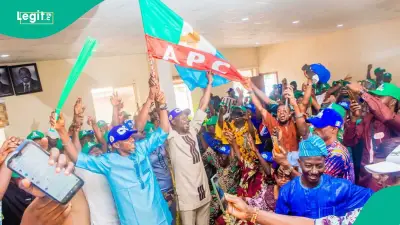
The removal of fuel subsidies, intended as economic reform, has increased transportation and energy costs, further pressuring average Nigerians. Additionally, the absence of stable electricity cripples businesses, with even the government losing confidence in the national grid by opting for solar power, leaving citizens stranded. Implementing the All Progressives Congress manifesto with sincerity across 31 governors could signal a turning point.
Political Landscape: Leadership and Electoral Concerns
Political power significantly influences other national indices. Beyond the economy, Nigeria's political landscape faces challenges in leadership and governance. Many citizens express dissatisfaction with transparency, accountability, and responsiveness from those in power, fostering a growing trust deficit.
Electoral processes raise concerns about credibility and fairness, weakening public confidence in democratic institutions. Doubts about election integrity undermine democracy's foundation. The deliberate weakening of opposition parties, such as the Labour Party, African Democratic Congress, and People's Democratic Party, hampers their role in monitoring government policies, leaving members frustrated and directionless.
In response, public protests and civic engagement have increased, with citizens, especially youth, becoming more vocal about dissatisfaction. This reflects growing awareness and desire for change but also underscores deep frustration, necessitating unified opposition actions for meaningful impact.
Hope and Opportunities Amid Challenges
Despite these challenges, positive signs emerge. Nigeria's youth population remains a powerful force for change, innovating in technology and entrepreneurship to solve local and global problems. The entertainment industry has made significant strides, offering potential for greater performance.
Growing political awareness and activism see citizens demanding accountability and better governance. Efforts toward economic diversification in agriculture, technology, and creative industries offer hope for reducing oil dependence and building a resilient economy. The media and civil society organizations play crucial roles in promoting transparency, serving as watchdogs without fear of persecution.
Conclusion: A Nation at a Crossroads
The economic hardship and political instability in Nigeria are clear "signs of the times," revealing a nation at a crossroads with serious challenges yet immense potential for transformation. While the current situation may seem daunting, it presents an opportunity for reflection, reform, and renewal. With responsible leadership, active citizen participation, and a commitment to national development, Nigeria can and should overcome these obstacles, paving the way for a brighter future.