Normalising Dysfunction: How Nigeria's Resilience Became a National Trap
In Nigeria, a particular brand of resilience is often celebrated as a defining trait of the national spirit. Citizens are praised for their ruggedness, their ability to find a way, and their talent for suffering and smiling. However, this resilience has undergone a dangerous transformation. What was once a virtue has now become a trap, leading to a widespread acclimatisation to dysfunction. The country is no longer merely struggling with systemic failures; it is actively normalising abnormalities, a trend that poses a corrosive threat to national progress by dulling outrage, weakening accountability, and conditioning citizens to accept conditions that should provoke alarm.
The Power Supply Paradox
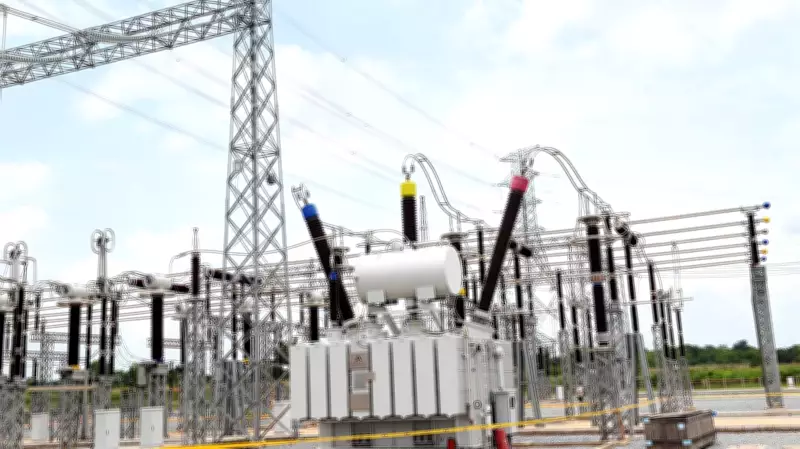
In any functioning society, a nationwide power outage would be treated as a crisis demanding immediate action. In Nigeria, however, grid collapse has become a routine occurrence. Despite steady increases in electricity tariffs, supply remains erratic and unreliable. Power surges frequently destroy household appliances, while small businesses suffer losses in equipment, productivity, and capital. Families are forced to budget for generators, fuel, inverters, stabilisers, and repairs as if these were standard public utilities. There is no sustained national pushback against this situation; instead, citizens simply adapt and move on. This normalisation of paying more for darkness in a country rich in energy resources has effectively normalised the slow suffocation of productivity and economic growth.
Roads and Resignation
The state of Nigeria's roads tells a similar story of quiet resignation. Major highways often resemble cratered landscapes, causing rapid damage to vehicles beyond normal wear and tear. This infrastructure failure leads to increased transport costs, logistics inefficiencies that feed inflation, and rising prices of goods in an economy where the minimum wage already lags behind reality. In a rational system, the cost of bad roads would be recognised as a hidden tax on citizens. In Nigeria, it is treated as an unavoidable fate. By normalising infrastructure failure, the population silently absorbs its economic punishment without demanding accountability from leaders.
The Chilling Normalisation of Insecurity
Perhaps the most chilling abnormality that has been normalised is the pervasive insecurity across the nation. Bandits and terrorists kill, kidnap, and displace citizens with frightening regularity. For instance, over 160 people were reportedly killed in Kwara State in a recent incident. In the past, such a tragedy would have triggered national mourning, emergency security reforms, and relentless public pressure for change. Today, it barely disrupts the news cycle. Citizens scroll past reports of mass killings to check football scores or trending topics, not out of heartlessness, but due to a statistical numbness that has developed. This quiet devaluation of human life is a stark indicator of how deeply dysfunction has been internalised.
The Housing Crisis and Market Forces
Less dramatic but equally destructive is the ongoing housing crisis. Rents across major Nigerian cities have surged sharply, consuming disproportionate shares of household income. Families are pushed into overcrowded housing or forced to live farther from economic centres, which increases transport costs and reduces productivity. What makes this abnormality more troubling is how casually it is explained away as market forces. Despite stagnating incomes and rising inflation, rent escalates unchecked. This normalisation of unaffordable housing exacerbates challenges in a country already battling high unemployment and declining purchasing power.
Beyond the Obvious: A Cascade of Dysfunctions
Beyond these prominent issues, Nigeria faces a cascade of other familiar dysfunctions:
- Inflation that erodes income on a monthly basis.
- A healthcare system that forces citizens to crowdfund for survival.
- Rising education costs coupled with deteriorating public schools.
- Unemployment treated as individual failure rather than systemic breakdown.
Individually, these issues are troubling; collectively, they are alarming. Normalisation is not a harmless process. When abnormalities persist long enough to feel normal, leaders face less pressure to act, institutions escape scrutiny, and citizens lower their expectations. This phenomenon, known as normalcy bias, serves as a survival mechanism that has become a national liability. By adapting to dysfunction, Nigerians inadvertently remove the urgency for reform.
The Path Forward: Embracing Discomfort
The way forward begins with a conscious rejection of the glorification of suffering. Endurance should not be seen as a badge of honour but as evidence of governance failure. Accountability must become specific and relentless, with power supply, security, roads, and housing treated as policy responsibilities rather than acts of God. This requires clear timelines, performance metrics, and consequences for failures.
Additionally, it is crucial to humanise losses, remembering that every victim of insecurity had a name, a family, and a future. Mass death must not be allowed to dissolve into business as usual. Civil society, professionals, and the private sector must speak consistently and not episodically, as silence from those with platforms only reinforces normalisation.
Darkness should not be normal. Unsafe roads should not be normal. Mass killings should not be normal. Unaffordable housing should not be normal. The greatest threat to Nigeria today is not the power outage, the bad road, or even the bandit. It is the silence of over 200 million people who have decided that the abnormal is finally normal enough. It is time to get uncomfortable again and demand the change that the nation desperately needs.