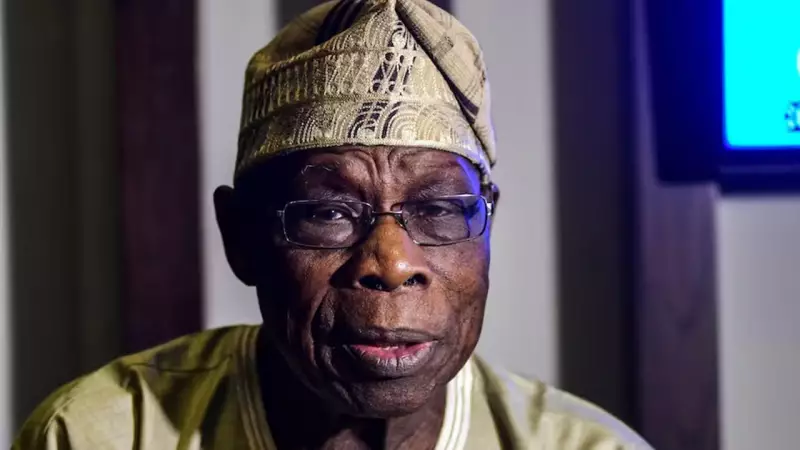
The shadow of former President Olusegun Obasanjo continues to loom large over Nigeria's political and economic landscape, with many questioning how his leadership decisions continue to reverberate through the nation's current challenges.
The Economic Foundation Cracks
During Obasanjo's presidency from 1999 to 2007, Nigeria experienced significant economic reforms, including debt relief and banking sector consolidation. However, critics argue that these achievements came at a cost. The privatization of key national assets and economic policies implemented during his administration have drawn scrutiny as Nigeria faces persistent economic headwinds.
Political Structure and Its Consequences
Obasanjo's approach to governance established patterns that many believe continue to influence Nigerian politics. The concentration of power, handling of federal-state relations, and management of political succession created precedents that subsequent administrations have followed, sometimes to the nation's detriment.
The Resource Management Question
Nigeria's oil and gas sector underwent significant changes under Obasanjo's watch. While anti-corruption efforts were prominently featured, the effectiveness and consistency of these initiatives remain subjects of intense debate among policy analysts and economic observers.
Contemporary Nigeria: Connecting Past to Present
Current economic challenges, including inflation, unemployment, and infrastructure deficits, have roots in policy decisions made during earlier administrations. Understanding this historical context provides valuable insights into Nigeria's developmental trajectory and the recurring nature of certain national problems.
Leadership Lessons for Future Governance
The examination of Obasanjo's legacy offers important lessons for current and future Nigerian leaders. The relationship between short-term political gains and long-term national development, the importance of institutional strengthening over personal rule, and the need for consistent economic policies emerge as critical considerations.
As Nigeria continues to navigate complex developmental challenges, the examination of past leadership provides not just historical perspective but crucial insights for shaping future governance approaches that can better serve the Nigerian people and ensure sustainable progress.