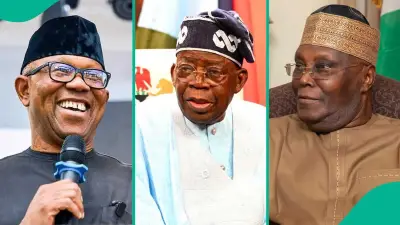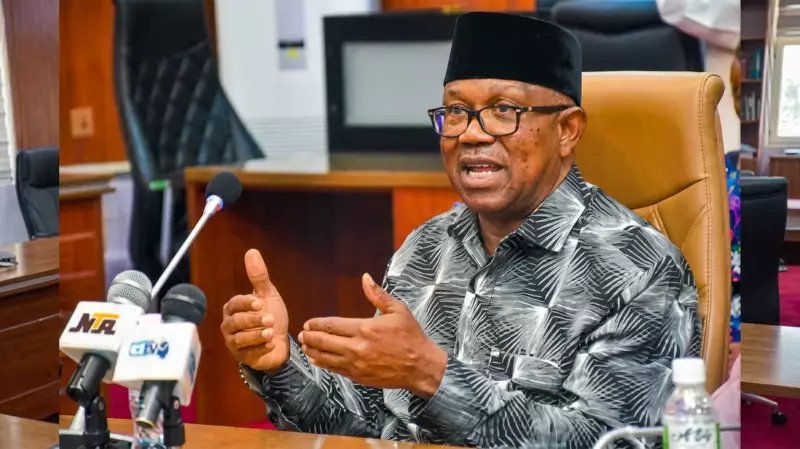
The 2023 Labour Party presidential candidate, Peter Obi, has publicly criticized what he describes as persistent leadership failures in Nigeria, following the recent collapse of the national electricity grid that resulted in a widespread blackout across the country. Obi expressed his concerns in a detailed post on his verified X account on Saturday, directly linking the ongoing power crisis to inadequate governance and a lack of competent leadership in the energy sector.
Obi's Reaction to the Grid Collapse
In his social media statement, Obi highlighted the recurrence of such incidents, noting that the grid collapse in January 2026 marks a continuation of a troubling pattern. He referenced previous collapses in January 2025 and emphasized that this latest event underscores a national shame that has persisted for years. According to Obi, the power sector is of critical importance to Nigeria's development and requires dedicated and skilled leadership to achieve stability and growth.
Comparative Analysis with Other African Nations
Obi provided a stark comparison of Nigeria's electricity generation capabilities with those of other African countries to illustrate the severity of the crisis. He pointed out that South Africa, with a population of approximately 64 million, generates and distributes over 40,000 megawatts. Similarly, Egypt, with about 115 million people, also produces over 40,000 megawatts, while Algeria, with around 48 million inhabitants, exceeds 50,000 megawatts.
In contrast, Nigeria, as Africa's most populous nation with over 240 million citizens, generates a mere 5,000 megawatts. Obi described this figure as absurdly low, arguing that it severely limits the country's productivity and economic potential. He lamented that for three consecutive years, from 2023 to 2025, Nigeria has been ranked globally as having the least access to electricity, leaving nearly 100 million people without reliable power.
Details of the Grid Failure
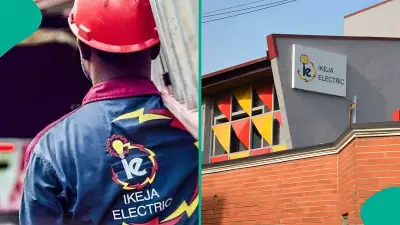
The national grid collapse occurred on Friday afternoon, according to data from the Nigerian Independent System Operator (NISO). At about 1 pm, electricity generation and load allocation dropped to zero across all distribution companies, leading to a complete shutdown of power supply nationwide. A review of the distribution load profile confirmed that all major companies, including Abuja, Eko, Benin, Enugu, Ibadan, Ikeja, Jos, Kano, Kaduna, Port Harcourt, and Yola, recorded zero load, indicating a total outage.
Prior to the failure, there were reports of strong electricity demand in key urban centers. For instance, the Abuja Electricity Distribution Company was receiving about 639 megawatts, and Ikeja Electric was allocated approximately 630 megawatts, reflecting the high consumption needs in these areas. The sudden drop to zero megawatts triggered the widespread blackout, affecting millions of Nigerians.
Call for Leadership Change
Looking ahead to the 2027 elections, Obi, who previously served as the Governor of Anambra State, urged Nigeria to prioritize competence and empathy in its leadership selection. He stressed that it is imperative to elect individuals with the capacity and dedication necessary to initiate a significant turnaround for the country. Obi asserted that anything less than this commitment is unacceptable, as the power crisis and other challenges require urgent and effective solutions to propel Nigeria forward.